
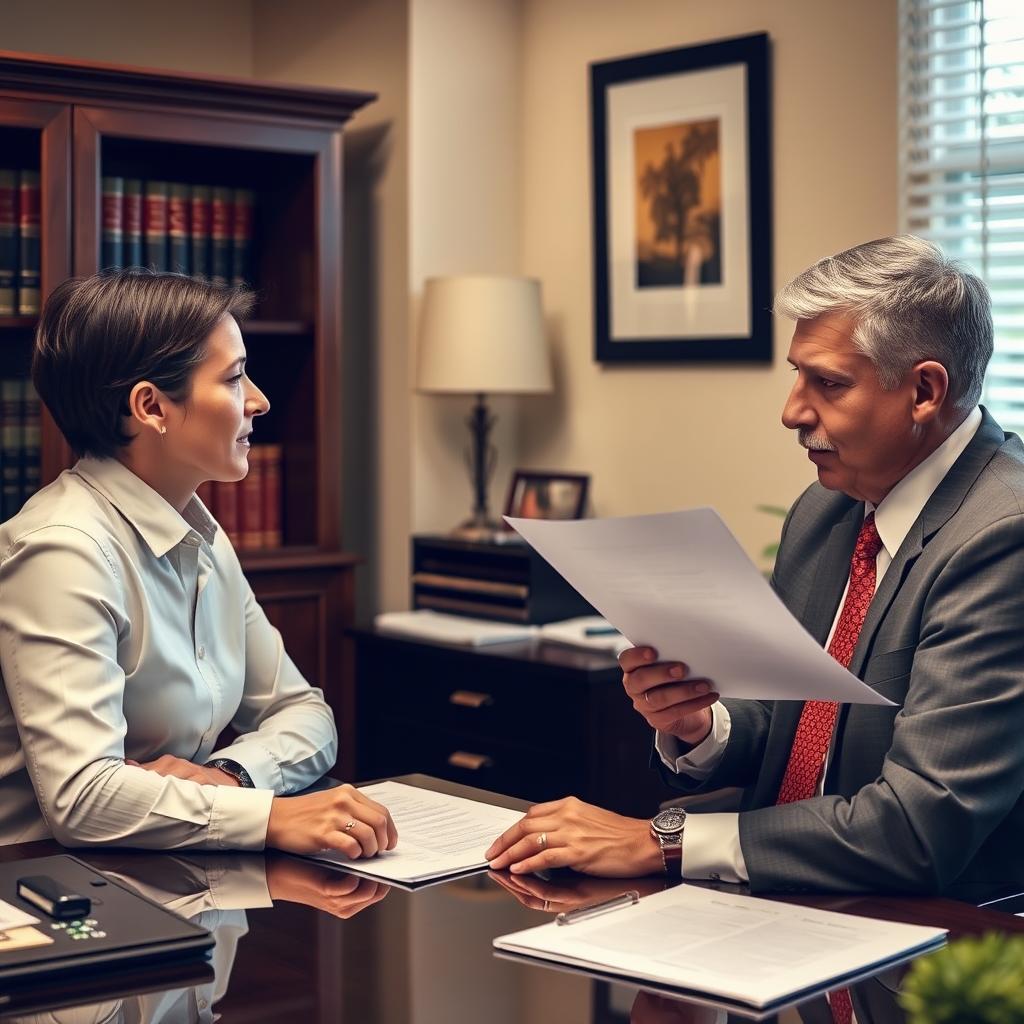
Use of a Firearm in Crime of Violence lawyer Worcester County, MD
If you are under investigation or have been charged with using or carrying a firearm during a crime of violence in Worcester County, Maryland, you are facing a serious federal offense under 18 U.S.C. § 924(c). The United States Attorney’s Office for the District of Maryland prosecutes these cases actively, and a conviction carries substantial mandatory minimum prison terms that run consecutively to any sentence for the underlying crime. Because the federal system does not allow parole, a defendant can expect to serve the entirety of the imposed sentence. Law Offices Of SRIS, P.C., represents individuals in federal firearm cases across Maryland. Mr. Sris, the firm’s Owner and Founder, is a former prosecutor with experience in criminal trial work. He and the firm’s Of Counsel attorneys bring extensive combined legal experience to every representation. For a consultation about your case, call (888) 437-7747. Law Offices Of SRIS, P.C. – Advocacy Without Borders.
Understanding Federal Firearm Charges in Worcester County
Worcester County residents facing a federal charge for using a firearm in a crime of violence will appear in the United States District Court for the District of Maryland, which sits in Baltimore and Greenbelt. These matters are not processed through the Worcester County District Court or Circuit Court. The federal charge under 18 U.S.C. § 924(c) is distinct from any state-level weapons offense and exposes a defendant to severe federal sentencing provisions. The statute mandates that any sentence for the firearm charge run consecutively to the sentence imposed for the underlying violent crime. Federal investigators—including the FBI, DEA, ATF, and local task forces—often handle these inquiries, and the U.S. Attorney’s Office utilizes grand jury proceedings to secure indictments. Given the complexity of federal criminal procedure, retaining counsel who is experienced in federal court and familiar with the practices of the District of Maryland is important. Law Offices Of SRIS, P.C., has represented clients in federal matters and can work with you to build a defense tailored to the specific facts of your case. For guidance on your particular situation, reach our firm at (888) 437-7747.
Frequently Asked Questions
What is a “crime of violence” under 18 U.S.C. § 924(c)?
A “crime of violence” under § 924(c)(3) is a felony that has as an element the use, attempted use, or threatened use of physical force against another person or property, under the elements clause. The residual clause of § 924(c)(3)(B) was struck down by the Supreme Court in United States v. Davis (2020), so only offenses that qualify under the elements clause can support a § 924(c) charge. The government must prove beyond a reasonable doubt that the predicate felony involves the requisite physical force. An attorney can examine whether the offense in your case meets this definition, which can be a significant defense argument.
How does a federal firearm charge differ from a state weapons charge in Maryland?
Federal charges are prosecuted by the U.S. Attorney, carry harsher mandatory minimum sentences, and are subject to the Federal Sentencing Guidelines, with no parole. State firearm offenses in Maryland are handled in the Maryland District or Circuit Courts and have their own penalty structures, often with shorter maximum sentences and the possibility of parole. Federal charges also involve investigative agencies such as the FBI or ATF and grand jury indictments. A conviction under § 924(c) adds a consecutive sentence to any other federal sentence, making the total time served longer than a typical state sentence.
What are the potential penalties for a § 924(c) conviction?
A conviction under 18 U.S.C. § 924(c) carries substantial mandatory minimum prison time that runs consecutively to any sentence for the underlying violent crime or drug trafficking offense. The federal system does not allow parole, so a defendant serves the full sentence imposed, less limited good-time credit. Fines, restitution, and supervised release may also be imposed. The length of the mandatory minimum depends on how the firearm was used—whether it was brandished, discharged, or simply possessed during the crime of violence. The sentence can increase significantly for a second or subsequent § 924(c) conviction.
How can I defend against a use-of-firearm-in-a-crime-of-violence charge?
Defending against a § 924(c) charge may involve challenging whether the underlying felony qualifies as a crime of violence, contesting the firearm’s connection to that felony, or seeking suppression of unlawfully obtained evidence. Because the prosecution must prove each element beyond a reasonable doubt, an attorney can scrutinize the government’s case for weaknesses. Potential defenses include arguing that the firearm was not used or carried “during and in relation to” the predicate offense, that the weapon was not functional, or that the government’s evidence was obtained in violation of the Fourth Amendment. A thorough pretrial investigation can identify witnesses, expert testimony, or procedural errors that support the defense.
What should I do if federal agents contact me about a firearm investigation?
If federal agents contact you, you should politely decline to answer questions and state that you wish to speak with an attorney. Do not consent to any search or provide any statements without counsel present. Federal agents are trained investigators, and anything you say can be used against you in court. Even if you believe you are innocent, speaking without legal guidance can create complications. Contact a federal criminal attorney as soon as possible. Law Offices Of SRIS, P.C., can speak with you about your situation and help you understand your rights before you make any decisions.
Does a § 924(c) conviction affect my firearm rights permanently?
A conviction under 18 U.S.C. § 924(c) generally results in a lifetime federal firearm prohibition under the Lautenberg Amendment and related provisions. Federal law forbids any person convicted of a felony from possessing or receiving firearms or ammunition. A § 924(c) conviction is a felony, and the firearms disability is permanent unless the conviction is later expunged, set aside, or pardoned. State-law restoration of firearm rights may not remove the federal bar, so the consequences are severe and long-lasting. An attorney can explain the full collateral consequences of a conviction before you make any decisions about your case.
What is the process from indictment to trial in a federal firearm case?
After a federal indictment, the process typically moves through an initial appearance and arraignment, pretrial motions and discovery, possible plea negotiations, and, if necessary, a jury trial. The federal Speedy Trial Act sets timelines, but the actual pace depends on the complexity of the case and the court’s calendar. The discovery phase involves the government providing evidence, including witness statements, forensic reports, and surveillance materials. Your attorney will review this evidence, file motions (such as motions to suppress evidence or to dismiss the indictment), and advise you on whether to accept a plea offer or proceed to trial. Throughout the process, the court will address bail and conditions of release.
Can I get pretrial release in a federal firearm case?
In federal firearm cases, the court will hold a detention hearing to determine whether you may be released pending trial. The government often argues that a defendant poses a danger to the community or a risk of flight. In § 924(c) cases involving a crime of violence, pretrial detention is frequently sought. Your attorney can present evidence of community ties, employment, and the absence of any prior criminal history to argue for release on conditions such as electronic monitoring, home detention, or a secured bond. The decision rests with the federal magistrate judge after considering the arguments of both sides.
Do I need a lawyer for a federal firearm charge, or can I handle it myself?
Federal firearm charges carry mandatory prison sentences and complex procedural rules; representing yourself is strongly discouraged. Federal criminal procedure differs from state court in significant ways, including the Federal Rules of Evidence, the U.S. Sentencing Guidelines, and the government’s extensive pretrial discovery obligations. Without a lawyer who is experienced in federal court, you may miss deadlines, fail to file critical motions, or misjudge the strength of the government’s case. A conviction can bring decades in prison and a permanent felony record. An attorney can evaluate the prosecution’s evidence, negotiate with the U.S. Attorney, and advocate for favorable outcomes.
How do I choose the right federal criminal lawyer for my case in Worcester County?
Look for a lawyer who is admitted in federal court in the District of Maryland and who concentrates their practice on federal criminal defense, particularly firearm cases. The attorney should be familiar with the practices of the U.S. Attorney’s Office and the procedures of the U.S. District Court for the District of Maryland. A firm with a track record of handling federal matters, such as Law Offices Of SRIS, P.C., can also offer insight from former prosecutors who understand how the government builds a § 924(c) case. A consultation allows you to ask about the attorney’s approach, discuss possible defenses, and gauge whether you are comfortable working with the attorney through the duration of your case.
About Mr. Sris and the Firm’s Of Counsel Attorneys
Mr. Sris is the Owner and Founder of Law Offices Of SRIS, P.C., and a former prosecutor. He founded the firm in 1997 and concentrates his practice on criminal defense matters, including federal firearm charges. Mr. Sris and the firm’s Of Counsel attorneys bring extensive combined legal experience. Together, they serve clients in Worcester County and throughout Maryland from the firm’s Rockville location. The firm’s Of Counsel attorneys include a former Maryland Assistant State’s Attorney who previously prosecuted criminal cases in District and Circuit Courts, providing valuable insight into how the government builds its cases. For a consultation, call (888) 437-7747. Results may vary.
Related pages: Federal Criminal Lawyer Montgomery County, MD | Prince George’s County Federal Criminal Lawyer | Howard County Federal Criminal Defense Attorney | Anne Arundel County Federal Criminal Lawyer
Authoritative sources: U.S. District Court for the District of Maryland | 18 U.S.C. § 924(c) (Legal Information Institute) | U.S. Attorney’s Office — District of Maryland
Law Offices Of SRIS, P.C. — Rockville Location | 199 E. Montgomery Avenue, Suite 100, Room 211, Rockville, MD 20850 | (888) 437-7747
Attorney advertising. Prior results do not guarantee a similar outcome. Results may vary.
Case results depend on a variety of factors unique to each case.