
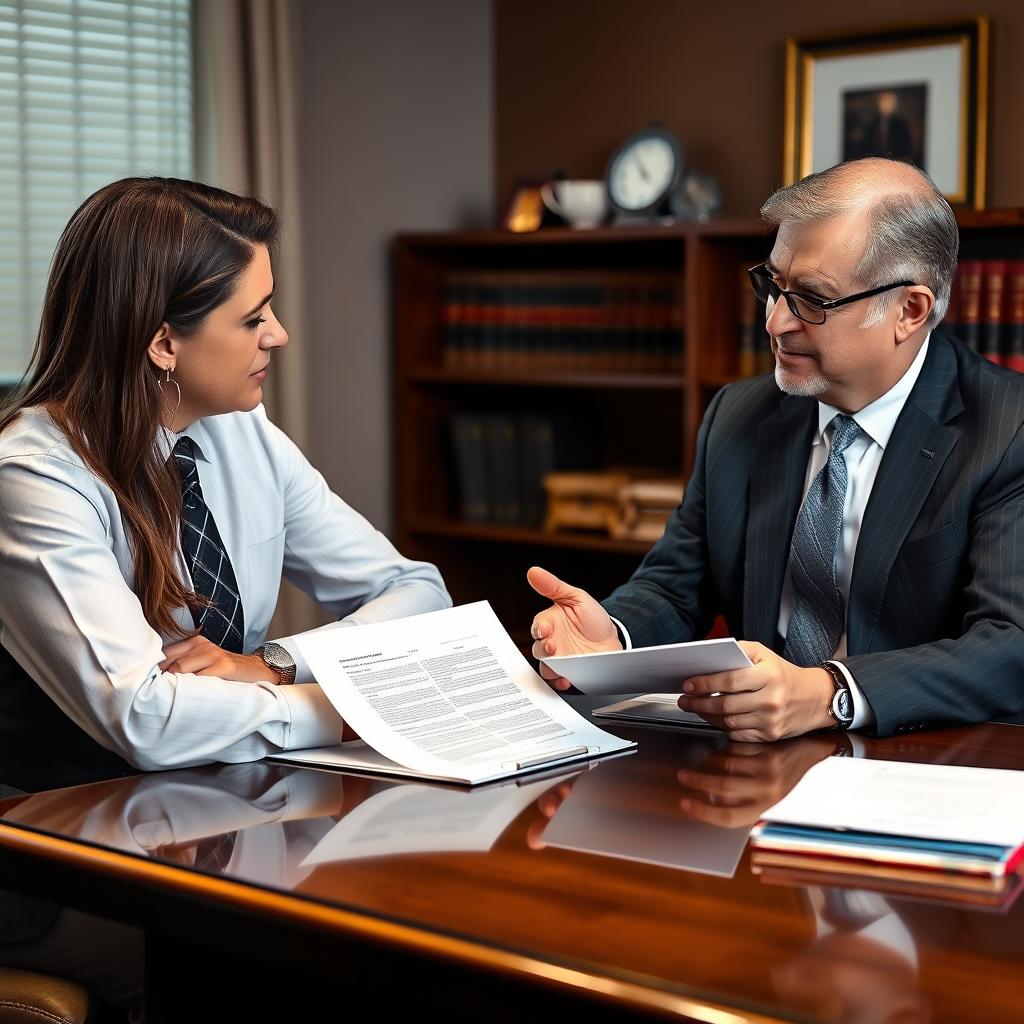
Theft of Government Property lawyer Baltimore, MD
You work for a federal agency or contractor in the Baltimore area—perhaps at the Social Security Administration in Woodlawn, the Centers for Medicare & Medicaid Services, or one of the many federal installations across the region. A letter arrives from the U.S. Attorney’s Office for the District of Maryland, or federal agents appear at your workplace with questions about missing equipment, misdirected funds, or unauthorized use of government resources. The allegation: theft of government property. Federal prosecutors in Baltimore pursue these cases with substantial investigative resources, and a conviction carries consequences that include imprisonment, fines, restitution, and a permanent federal record with no possibility of parole. Mr. Sris and his Of Counsel represent individuals facing federal theft investigations in Maryland. Reach Law Offices Of SRIS, P.C. at (888) 437-7747 to request a consultation. Law Offices Of SRIS, P.C. – Advocacy Without Borders.
Facing a Federal Theft Investigation in Baltimore
Federal theft of government property charges arise under Title 18 of the United States Code and are prosecuted by the U.S. Attorney’s Office for the District of Maryland. The Baltimore Division of the U.S. District Court for the District of Maryland, located at 101 West Lombard Street, handles these cases. Investigative agencies—the FBI, the Office of Inspector General for the relevant federal agency, the Defense Criminal Investigative Service, or other federal law enforcement bodies—typically build these cases over months before any charges are filed. By the time you learn of the investigation, prosecutors may already have gathered substantial documentation.
The Baltimore federal legal landscape is distinctive. The U.S. Attorney’s Office for the District of Maryland maintains a dedicated white-collar and fraud section that regularly prosecutes theft and embezzlement matters involving government property. Federal grand juries sit in Baltimore, and indictments often follow extensive grand jury proceedings at which targets have no opportunity to present their side. Early engagement with experienced federal defense counsel—before indictment, if possible—can materially affect the direction of an investigation. Mr. Sris and his Of Counsel appear regularly in the U.S. District Court for the District of Maryland and understand the local federal practice.
Defense Strategy in Federal Theft of Government Property Cases
Every federal theft case turns on its specific facts, and Mr. Sris and his Of Counsel evaluate each matter individually. The government must prove that the accused knowingly took or converted government property without authorization. Defense strategies may include examining whether the property at issue qualifies as “government property” within the meaning of the statute, challenging the evidence of intent, reviewing the chain of custody for physical evidence, and assessing whether investigative or charging procedures complied with constitutional and statutory requirements.
In many federal theft investigations, the line between administrative error and criminal conduct is the central dispute. Agency accounting systems, particularly in large federal departments, generate records that can be misinterpreted. Mr. Sris—a former prosecutor who founded the firm in 1997—brings insight into how federal prosecutors evaluate evidence and build charging decisions. His Of Counsel team includes attorneys with extensive federal court experience. Together, they work to identify weaknesses in the government’s case, engage with prosecutors at the earliest appropriate stage, and develop a defense strategy tailored to the specific circumstances of each matter. Results may vary.
What to Expect in the U.S. District Court for the District of Maryland
Federal criminal proceedings follow a structured sequence. If charges are filed, an initial appearance and arraignment take place before a U.S. Magistrate Judge in Baltimore. Pretrial detention and release conditions are determined under the Bail Reform Act, and federal detention standards differ significantly from state-court bail practices—there is no commercial bail bond system in federal court. The government may seek detention based on flight risk or danger to the community.
Following arraignment, the discovery process begins. Federal discovery in criminal cases is governed by the Federal Rules of Criminal Procedure, including Rule 16 and the government’s obligations under Brady v. Maryland and Giglio v. United States. Pretrial motions—to suppress evidence, to dismiss charges, or to compel additional discovery—may be filed. Many federal theft cases resolve through negotiated plea agreements, but when trial is necessary, the case proceeds before a U.S. District Judge in the Baltimore courthouse. Federal sentencing, if it occurs, follows the advisory United States Sentencing Guidelines, which consider offense characteristics, the defendant’s role, acceptance of responsibility, and criminal history. The timeline for a federal case varies by its complexity and the court’s calendar.
Potential Consequences of a Federal Theft Conviction
A conviction for theft of government property under Title 18 carries significant consequences. The court may impose a term of imprisonment, a period of supervised release following incarceration, restitution to the affected government agency, and monetary fines. Federal law does not provide for parole; an individual sentenced to federal prison serves the great majority of the sentence imposed. Additionally, a federal felony conviction carries collateral consequences that affect employment, security clearances, professional licenses, and firearm possession rights. Asset forfeiture may also be pursued in appropriate cases. The specific sentence in any given case depends on the applicable sentencing guidelines range, any mandatory minimum provisions, the arguments of counsel at sentencing, and the court’s assessment of the factors set forth in 18 U.S.C. § 3553(a).
About Mr. Sris and His Of Counsel Team
Mr. Sris, Owner and Founder of Law Offices Of SRIS, P.C., has practiced since 1997 and is admitted in Virginia, Maryland, the District of Columbia, New Jersey, and New York. A former prosecutor, he brings firsthand understanding of how the government constructs criminal cases—knowledge that informs the defense strategy in every federal matter the firm handles. Mr. Sris testified before the Virginia House Courts of Justice Committee in support of 2019 HB 635 (chief patron Del. David Bulova).
Mr. Sris and his Of Counsel bring over 120 years of combined legal experience, with 4,739+ documented firm-wide results. Results may vary. The Of Counsel team includes attorneys with experience in Maryland federal courts, and the firm’s Rockville location—at 199 E. Montgomery Avenue, Suite 100, Room 211, Rockville, MD 20850—serves clients throughout Maryland, including Baltimore. For a comprehensive statutory analysis, visit our detailed guide at srislawyer.com.
Frequently Asked Questions
Do I need a federal criminal defense lawyer for theft of government property charges in Baltimore?
Yes—if you are under investigation or have been charged with theft of government property in the District of Maryland, you should speak with an experienced federal criminal defense attorney as soon as possible. Federal cases are prosecuted by the U.S. Attorney’s Office with investigative support from federal agencies including the FBI and agency-specific Offices of Inspector General. Federal sentencing guidelines apply, there is no parole in the federal system, and the procedural rules differ significantly from Maryland state court practice. Early engagement with counsel before indictment can affect how the investigation proceeds. Law Offices Of SRIS, P.C. represents clients in Baltimore federal matters. Call (888) 437-7747 to request a consultation.
What should I do if federal agents contact me about missing government property?
If federal agents contact you—whether by phone, at your home, or at your workplace—you should politely decline to answer substantive questions and state that you wish to speak with an attorney. Anything you say to federal agents can be used against you in a criminal prosecution, and federal agents are trained to elicit incriminating statements even in seemingly casual conversations. Do not consent to a search of your property, computer, or phone without counsel present. Do not discuss the matter with colleagues, supervisors, or friends, as they may be called as witnesses. Contact an experienced federal defense attorney immediately. For legal guidance, reach Law Offices Of SRIS, P.C. at (888) 437-7747.
How do federal theft of government property cases proceed in Maryland?
Federal theft cases in Maryland typically begin with an investigation by a federal agency, followed by grand jury proceedings, indictment, arraignment in the U.S. District Court for the District of Maryland in Baltimore, and pretrial motions practice. The U.S. Attorney’s Office for the District of Maryland prosecutes these cases. Most federal criminal matters resolve through plea negotiations, though some proceed to trial before a U.S. District Judge. Sentencing occurs after a presentence investigation report is prepared by the U.S. Probation Office, and the court applies the advisory federal sentencing guidelines. The timeline varies based on the complexity of the case, the volume of discovery, and the court’s calendar. For more information, contact Law Offices Of SRIS, P.C. at (888) 437-7747.
What are the potential penalties for theft of government property under federal law?
A conviction for theft of government property under Title 18 of the United States Code can result in imprisonment, a term of supervised release, restitution, fines, and a permanent federal felony record. Federal law does not provide for parole, so a person sentenced to federal prison serves substantially all of the sentence imposed. Collateral consequences may include loss of security clearance, federal employment disqualification, professional license repercussions, and federal firearms disabilities. The specific sentence in any case depends on the advisory sentencing guidelines calculation, any applicable mandatory minimums, and the court’s consideration of the statutory sentencing factors. Results vary; past results do not guarantee a similar outcome.
Can federal theft of government property charges be dropped in Maryland?
Federal charges can be dismissed or reduced, but whether this occurs depends on the specific evidence, legal issues, and procedural posture of the case. The U.S. Attorney’s Office may decline to pursue charges if the evidence is insufficient, if constitutional violations taint the government’s investigation, or if pretrial motions succeed in suppressing critical evidence. In some cases, defense counsel can present information to prosecutors before charges are filed that leads to a declination. After charges are filed, motions to dismiss may be appropriate in certain circumstances. Each matter turns on its own facts. For guidance specific to your situation, contact Mr. Sris and his Of Counsel at (888) 437-7747.
How does Mr. Sris and his Of Counsel handle federal theft cases differently?
Mr. Sris—a former prosecutor—and his Of Counsel evaluate federal theft cases by examining the government’s evidence, identifying procedural and constitutional issues, and engaging with federal prosecutors at the earliest appropriate stage of the investigation. Mr. Sris founded Law Offices Of SRIS, P.C. in 1997 and has practiced across five jurisdictions. His prosecutorial background provides insight into how the U.S. Attorney’s Office evaluates and builds federal theft cases. The Of Counsel team includes attorneys with experience in Maryland federal courts. Together, they focus on developing a thorough understanding of the facts, challenging the government’s proof where appropriate, and working toward the most favorable resolution possible under the circumstances. Call (888) 437-7747 to schedule a consultation.
Maryland Federal Criminal Defense—Additional Counties Served
While this page addresses federal theft of government property cases in Baltimore, Mr. Sris and his Of Counsel also represent clients in federal matters across Maryland:
Montgomery County Federal Criminal Lawyer ·
Prince George’s County Federal Criminal Lawyer ·
Howard County Federal Criminal Lawyer ·
Anne Arundel County Federal Criminal Lawyer ·
Frederick County Federal Criminal Lawyer
Federal Court and Government Resources
For additional information about the federal criminal process in Maryland, consult these official sources:
U.S. District Court for the District of Maryland ·
U.S. Attorney’s Office—District of Maryland ·
Administrative Office of the U.S. Courts
Request a Consultation
If you are facing a federal theft of government property investigation or charge in Baltimore, Maryland, contact Law Offices Of SRIS, P.C. to discuss your matter. Reach our location at (888) 437-7747. Our Rockville location—at 199 E. Montgomery Avenue, Suite 100, Room 211, Rockville, MD 20850—serves clients throughout Maryland. Consultations are by appointment.
Attorney advertising. Prior results do not guarantee a similar outcome. Case results depend on a variety of factors unique to each case. Results may vary.