
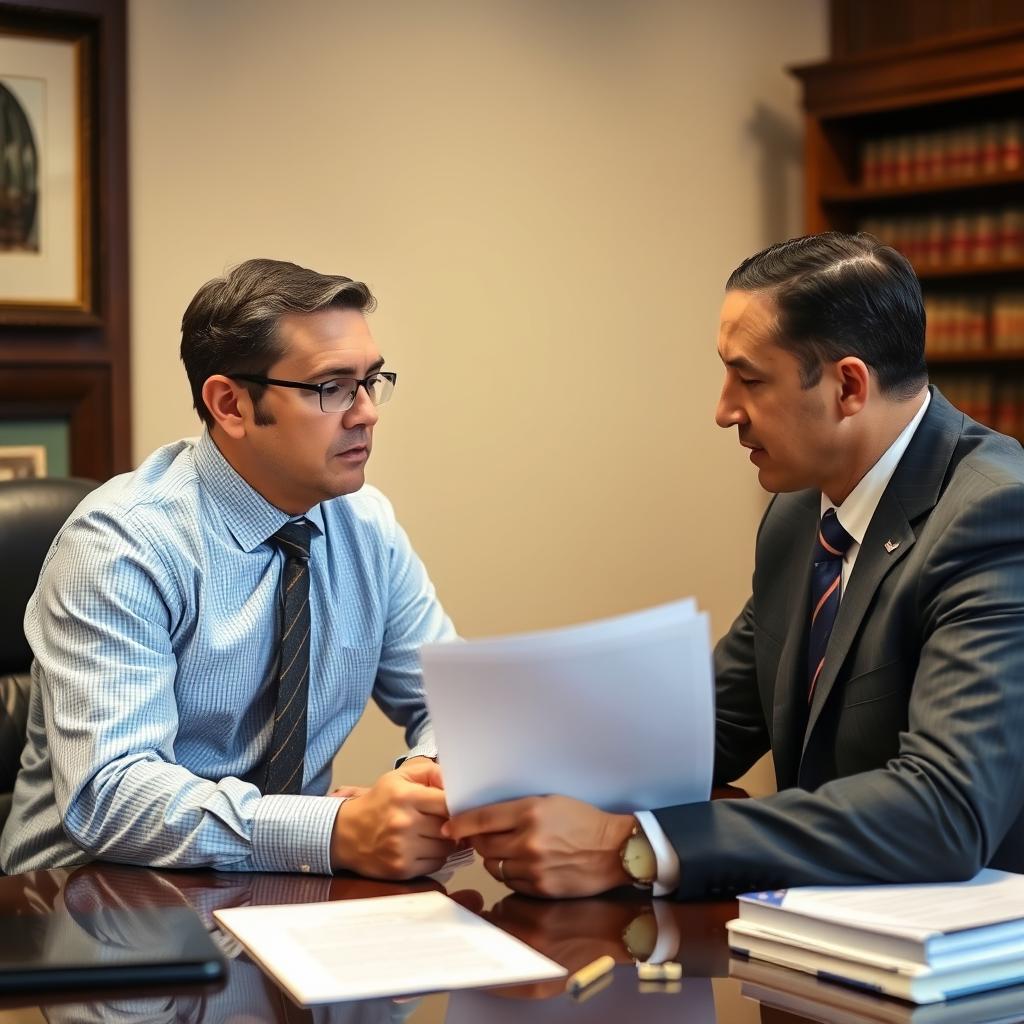
Retaliating Against a Witness lawyer Baltimore, MD
Facing a federal charge for retaliating against a witness places your liberty and future in immediate jeopardy. The U.S. Attorney’s Office prosecutes these offenses actively in the District of Maryland, and the consequences of a conviction under 18 U.S.C. § 1513 can include substantial federal prison time, heavy fines, and a criminal record that follows you permanently. At Law Offices Of SRIS, P.C., Mr. Sris and his Of Counsel represent individuals accused of federal witness-related offenses in the Baltimore Division of the U.S. District Court for the District of Maryland. Our firm, founded in 1997, brings extensive combined legal experience to federal criminal defense matters. For a confidential consultation about your situation, call (888) 437-7747. Law Offices Of SRIS, P.C. – Advocacy Without Borders.
Understanding Retaliating Against a Witness Under Federal Law
Retaliating against a witness is a serious federal crime that targets actions intended to harm, threaten, or intimidate a witness because of their participation in an official proceeding. The statute, 18 U.S.C. § 1513, covers a range of conduct—from physical attacks to threats conveyed by any means—if the motive was to retaliate against the witness for providing truthful information to law enforcement or testifying in court. Federal prosecutors in Baltimore pursue these cases with the full investigative resources of the FBI, ATF, and other agencies. The government often brings related charges, such as obstruction of justice or conspiracy, which compound the exposure a defendant faces. Because these charges implicate the integrity of the judicial system, judges and prosecutors alike view them as priority offenses. Anyone under investigation or already indicted should immediately secure experienced federal criminal defense counsel. The federal sentencing guidelines, absence of parole, and mandatory minimums in some circumstances make early representation critical.
Cases are heard in the U.S. District Court for the District of Maryland, at the Baltimore courthouse located at 101 West Lombard Street. The court’s procedures, pretrial detention standards, and discovery rules differ markedly from those in Maryland state courts. Mr. Sris and his Of Counsel are familiar with this federal forum and work to protect clients’ rights from the initial investigation through any necessary trial.
Frequently Asked Questions
What does it mean to be charged with retaliating against a witness?
It means the federal government alleges you knowingly caused or threatened bodily injury to a person, or damaged their property, with the intent to retaliate against that person for providing truthful testimony, information, or evidence to law enforcement or a court. The prosecution must prove your specific intent to retaliate because of the victim’s lawful cooperation. These charges can stem from a single angry outburst, a punch, a threat made electronically, or even an attempt to pressure someone after their testimony. The defendant need not have succeeded in harming the person; the threat or attempt alone can support a conviction. Because the federal criminal code treats witness retaliation as a core obstruction-of-justice offense, penalties can be severe and may run consecutively to sentences for other crimes.
What are the federal penalties for witness retaliation in Baltimore?
Penalties depend on the specific subsection of 18 U.S.C. § 1513 charged and the harm caused, but imprisonment can range from a maximum of 10 years up to 30 years or more if the offense resulted in serious bodily injury or death. Fines may be imposed, and a term of supervised release will follow any prison time. The federal system does not permit parole; a defendant must serve at least 85% of the sentence imposed under the sentencing guidelines. Aggravating factors—such as the use of a firearm, a prior criminal record, or the victim’s status as a federal official—can substantially increase the sentence. In the Baltimore federal court, judges apply the advisory guidelines strictly, and prosecutors from the U.S. Attorney’s Office often seek upward departures when the retaliation disrupted an active investigation or trial.
How does a federal criminal lawyer defend against witness retaliation charges?
Defense strategies focus on challenging the element of specific retaliatory intent, undermining the credibility of the government’s witnesses, or demonstrating that the alleged acts were not motivated by retaliation for protected activities. Your attorney will examine whether the government can prove beyond a reasonable doubt that you acted with retaliatory intent rather than out of anger, fear, or a different non-criminal motive. Where the evidence relies heavily on testimony from cooperating witnesses, thorough cross-examination of those witnesses—and any history of bias, lies, or deals with the government—can weaken the prosecution’s case. Early in the process, counsel may negotiate with prosecutors to reduce the charge to a lesser offense or to reach a pretrial resolution. If law enforcement obtained evidence through an unlawful search or interrogation, a motion to suppress that evidence can be a powerful tool. Mr. Sris and his Of Counsel tailor each defense strategy to the unique facts and evidence in the case.
Why should I hire a lawyer who handles federal cases in the District of Maryland?
Federal court practice in Maryland involves unique rules, prosecutors with extensive resources, and sentencing laws that are very different from state court. The U.S. Attorney’s Office for the District of Maryland, sitting in Baltimore and Greenbelt, assigns experienced federal prosecutors who routinely handle witness-tampering and retaliation cases. The local federal judges apply the advisory sentencing guidelines, which can produce long prison terms, and they consider sophisticated presentence investigation reports. A lawyer who appears regularly in the Baltimore federal courthouse understands how judges evaluate motions, how pretrial services assess release conditions, and how to negotiate with the Assistant U.S. Attorneys who handle retaliation cases. This familiarity with the court’s procedures, personnel, and unwritten practices directly benefits the client at every stage of the case.
Is it necessary to have an attorney if I am only under investigation and not yet charged?
Yes—engaging counsel before charges are filed is one of the most critical steps you can take. During the investigation phase, an attorney can communicate with federal agents on your behalf, potentially preventing an arrest or reducing the likelihood of charges. Your lawyer can also ensure you do not inadvertently make incriminating statements, which law enforcement typically tries to elicit through surprise tactics. Early intervention may allow your counsel to present exculpatory evidence to the prosecutor before an indictment is sought. The investigation window is narrow; once a grand jury returns an indictment, the government’s case becomes much harder to redirect.
Can a federal witness retaliation charge be reduced to a lesser offense?
In some cases, a negotiated plea may result in a reduction to an offense carrying a less severe statutory penalty or a lower sentencing guideline range. For example, a charge under 18 U.S.C. § 1513 may be resolved with a plea to a lesser obstruction count or even a non-retaliation offense, depending on the evidence and the defendant’s role. Plea negotiations require a careful assessment of the government’s proof, the defendant’s criminal history, and the sentencing guidelines. The decision to plead or go to trial should always be made after full discovery and a thorough evaluation of the risks. Mr. Sris and his Of Counsel work to secure the most favorable resolution available under the specific facts of each case.
What should I do if I believe I am being investigated for witness retaliation in Baltimore?
Do not speak to law enforcement or anyone else about the situation, and contact a federal criminal defense attorney immediately. Federal agents may seek to interview you, but you have the right to remain silent and to have an attorney present during any questioning. Anything you say can be used against you, even if you believe you are merely explaining yourself. At the first indication of an investigation, preserve all relevant documents, communications, and digital records, and avoid any contact with the alleged victim or any witness. Prompt legal guidance is essential to avoid missteps that can unintentionally strengthen the government’s case.
How does the Baltimore federal court handle pretrial release in retaliation cases?
Pretrial release decisions are governed by the Bail Reform Act, and judges in the District of Maryland will consider the nature of the offense and whether the defendant poses a danger to the community or a particular person. Because witness retaliation involves an allegation of violence or threats, the government typically argues that no conditions of release can assure community safety and may move for detention. However, strong advocacy at the initial appearance and detention hearing can sometimes result in release on conditions, such as home detention, electronic monitoring, or a no-contact order. The specific facts of the case and the defendant’s ties to the community are heavily weighed. Mr. Sris and his Of Counsel present the strong case for release, detailing the defendant’s background, employment, family ties, and lack of prior failures to appear.
What is the difference between witness retaliation and witness tampering?
Witness retaliation and witness tampering are related but distinct federal offenses. Retaliation, under 18 U.S.C. § 1513, punishes actions taken after a witness has cooperated or testified—the harm is in response to past protected conduct. Tampering, charged under 18 U.S.C. § 1512, targets attempts to influence, prevent, or alter testimony or evidence before or during a proceeding. Both carry severe sentences, but the legal elements and the relevant timeframe differ. A person could face both charges if the government alleges an ongoing pattern of obstructive conduct. Understanding the specific charges in your case is essential to building an effective defense.
About Mr. Sris and His Of Counsel Team
Mr. Sris, Owner and Founder of Law Offices Of SRIS, P.C., concentrates his practice on complex federal criminal defense. He is a former prosecutor and has been admitted to practice in Maryland, the District of Columbia, Virginia, New Jersey, and New York since founding the firm in 1997. Mr. Sris testified before the Virginia House Courts of Justice Committee in support of 2019 HB 635 (chief patron Del. David Bulova). He maintains a limited caseload to ensure every client receives focused attention. Alongside his Of Counsel, Mr. Sris brings extensive combined legal experience to federal witness retaliation matters. The team works collaboratively to investigate the facts, challenge the government’s evidence, and advocate vigorously for favorable outcomes. Mr. Sris and his Of Counsel have documented case results across multiple practice areas since 1997. Results may vary. For a consultation, call (888) 437-7747.
Related Maryland Federal Criminal Pages:
Federal Criminal Lawyer Montgomery County |
Federal Criminal Lawyer Prince George’s County |
Federal Criminal Lawyer Howard County |
Federal Criminal Lawyer Anne Arundel County |
Federal Criminal Lawyer Frederick County
Attorney advertising. Prior results do not guarantee a similar outcome.
Case results depend on a variety of factors unique to each case.