
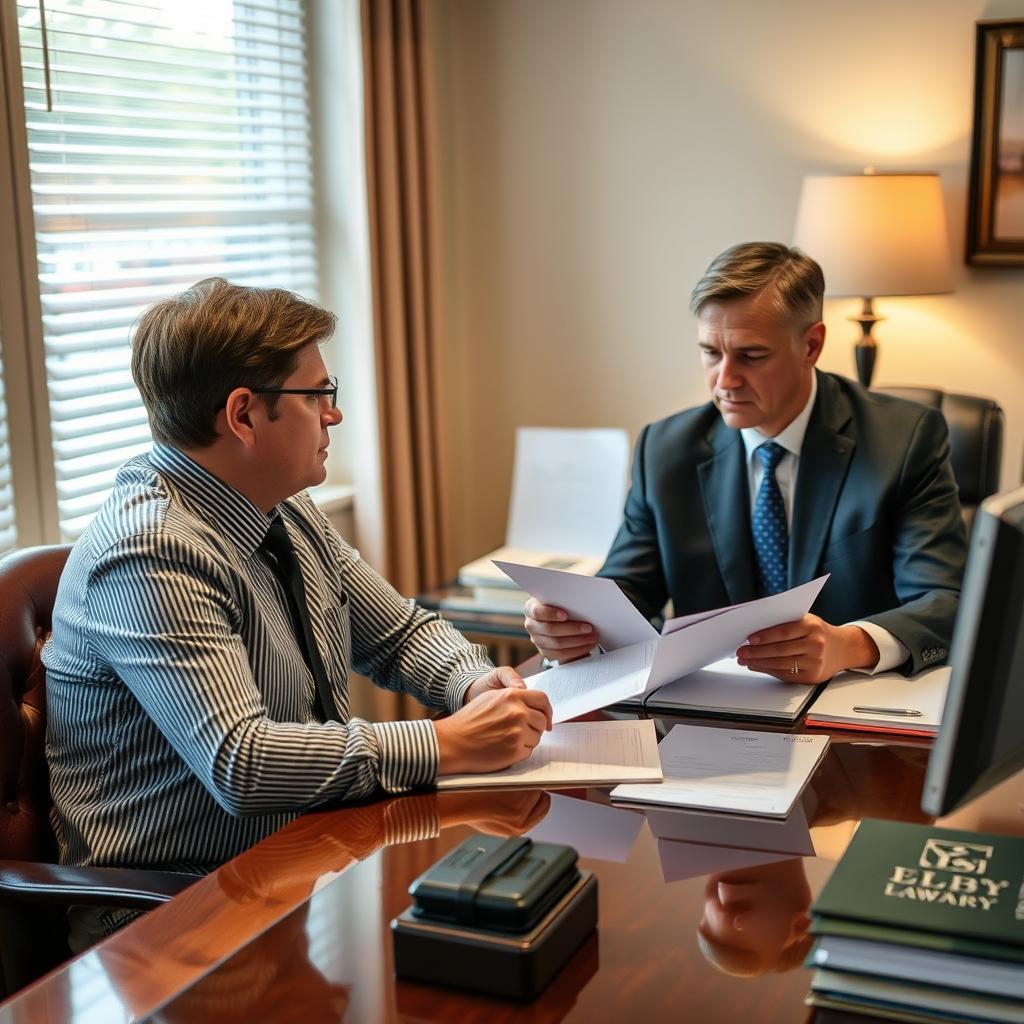
Possession with Intent to Distribute lawyer Allegany County, NY
A federal charge of possession with intent to distribute a controlled substance is one of the most serious allegations a person can face in Allegany County, New York. These cases are prosecuted not at the county level but in the United States District Court for the Western District of New York (WDNY), where the United States Attorney’s Office pursues convictions under 21 U.S.C. § 841. Federal drug laws carry mandatory minimum sentences—established by Congress—based on the type and weight of the substance involved, and there is no parole in the federal system. A conviction can mean years or decades in prison, substantial fines, and a permanent felony record. Because the stakes are so high, retaining counsel with federal court experience as soon as you learn you are under investigation—or immediately after an arrest—can affect nearly every phase of the case. Mr. Sris, Owner and Founder of Law Offices Of SRIS, P.C., concentrates his practice on federal criminal defense and accepts matters from Allegany County clients at the firm’s Buffalo location. Reach our firm at (888) 437-7747 to request a consultation.
Law Offices Of SRIS, P.C. – Advocacy Without Borders.
What Federal Possession With Intent to Distribute Means in Allegany County
Federal cases arising in Allegany County are adjudicated in the WDNY, with the main courthouse located in Buffalo and a divisional office in Rochester. The geographical reach of that district spans the entirety of Western New York, meaning that an arrest made by a local task force or by a federal agency—such as the Drug Enforcement Administration or the Federal Bureau of Investigation—will eventually be litigated in a federal courtroom. Unlike state‑level drug accusations, which are handled in New York’s town, village, or county courts, a federal indictment for possession with intent to distribute engages an entirely separate procedural code, a distinct set of sentencing guidelines, and a prosecution office that often has access to more extensive investigative resources.
The charge itself turns on the government’s assertion that the accused not only possessed a controlled substance but intended to transfer it to another person. The government may rely on circumstantial evidence—the quantity of drugs, the presence of packaging materials, scales, cash, or text messages—to prove that intent. Because the Controlled Substances Act categorizes drugs into schedules and ties penalty ranges to specific drug weights, the amount of substance alleged in an indictment directly shapes the exposure. Federal sentencing guidelines then overlay that statutory floor and ceiling, creating a complex calculus that requires an understanding of how a judge in the WDNY applies departures, variances, and the safety‑valve provision when it is available. An attorney familiar with the WDNY landscape can explain how these factors apply to a real person appearing in that courthouse, rather than in the abstract.
How Mr. Sris and His Of Counsel Handle Federal Drug Cases
Federal possession‑with‑intent matters move quickly. Early engagement—often before an indictment is returned—gives counsel the opportunity to communicate with the Assistant United States Attorney assigned to the case, present mitigating facts, and explore whether a pre‑indictment resolution is achievable. Mr. Sris and his Of Counsel begin by scrutinizing the government’s evidence: the basis for any search or seizure, the chain of custody for physical evidence, the reliability of cooperating witnesses, and the scientific validity of laboratory reports. In the WDNY, pretrial motion practice routinely addresses challenges to evidence obtained through wiretaps, controlled buys, or geofence warrants, areas of federal law that continue to develop.
When a trial is in the client’s best interest, the defense team prepares for a federal jury trial in the Buffalo courthouse, where the rules of evidence, jury selection, and trial procedure follow the Federal Rules of Criminal Procedure and the local rules of the WDNY. If a conviction occurs, or if a negotiated plea is the strategic choice, the focus shifts to a thorough sentencing memorandum that presents the client’s personal history, acceptance of responsibility, and any grounds for a downward departure or variance from the guideline range. Because the federal system does not permit parole, every month of the sentence counts; careful advocacy during sentencing can influence the length of incarceration the court ultimately imposes. Mr. Sris and his Of Counsel bring extensive combined legal experience to each stage of the process. Results may vary. In any particular matter.
About Mr. Sris and His Of Counsel Team
Mr. Sris, Owner and Founder of Law Offices Of SRIS, P.C., has been practicing law since 1997. A former prosecutor, he understands how the government constructs a federal drug case and how experienced counsel can test the strength of that case at every procedural stage. He is admitted to practice in New York, Virginia, Maryland, the District of Columbia, and New Jersey, giving him the ability to appear in federal courts throughout the Mid‑Atlantic region and in Western New York. Mr. Sris keeps his caseload deliberately limited so that he can participate directly in the strategic decisions that influence the trajectory of a matter. His Of Counsel team—attorneys who work on each case under his supervision—further extends the firm’s capacity to investigate facts, research legal issues, and prepare thorough motions and sentencing submissions.
The firm’s Buffalo location, at 50 Fountain Plaza, Suite 1400, accommodates in‑person consultations by appointment for clients in Allegany County and throughout Western New York. Every discussion during a consultation is confidential, and the firm’s phones are answered twenty‑four hours a day. Clients who retain Law Offices Of SRIS, P.C. in a federal matter are represented by a team that has handled investigations, trials, and appeals across multiple federal districts. While every case carries its own risks, the firm’s practice is built on thorough preparation, candid counsel, and a commitment to protecting the rights of those accused of federal offenses.
Frequently Asked Questions
What are the penalties for federal possession with intent to distribute in New York?
Penalties depend on the drug type and quantity, but mandatory minimum sentences frequently apply. Under 21 U.S.C. § 841, certain drug weights trigger a five‑year or ten‑year mandatory minimum term, and the maximum sentence can be life imprisonment. Fines can reach millions of dollars for high‑level offenses. The federal sentencing guidelines then calculate a recommended range that the judge considers; the judge may impose a sentence above or below the guidelines based on the specific facts. Because parole has been eliminated in the federal system, an inmate will serve the vast majority of the imposed sentence before possible early release through good‑time credits. To discuss the penalties that could apply in your specific matter, contact Law Offices Of SRIS, P.C. at (888) 437‑7747.
Can federal drug charges be dismissed before trial in the Western District of New York?
Yes, federal charges can be dismissed if the defense demonstrates a legal or evidentiary weakness in the government’s case. Dismissal may occur after a successful motion to suppress evidence, a finding that the indictment was insufficient, or a determination that a speedy trial violation occurred. Additionally, the Assistant United States Attorney may voluntarily dismiss charges if post‑indictment investigation undermines the prosecution. Dismissals are not common, but they happen when counsel identifies a serious defect early. For a consultation, reach Mr. Sris and his Of Counsel at (888) 437‑7747.
How long does a federal drug case take in the Western District of New York?
The timeline varies depending on the complexity of the evidence, the number of defendants, and the posture of plea negotiations. A straightforward single‑defendant case may be resolved within a few months if a plea agreement is reached promptly. Multi‑defendant conspiracy indictments can take a year or more to reach trial, particularly when pretrial motions or interlocutory appeals are filed. The Speedy Trial Act sets certain deadlines, but the actual pace is shaped by the court’s calendar and the decisions of the parties. To discuss the likely timeline in your situation, reach Law Offices Of SRIS, P.C. at (888) 437‑7747.
What is the role of the grand jury in a federal drug case?
The grand jury determines whether there is probable cause to issue an indictment. In a federal possession‑with‑intent investigation, a prosecutor presents witness testimony and documentary evidence to a grand jury sitting in the WDNY. The process is secret; the target of the investigation generally has no right to appear or to cross‑examine witnesses. If the grand jury returns a true bill, the indictment becomes the formal charging instrument, and the case proceeds to arraignment. Because grand jury proceedings are entirely controlled by the prosecution, retaining counsel before an indictment is returned can sometimes influence whether charges are brought and what they look like. For guidance on your specific situation, reach Law Offices Of SRIS, P.C. at (888) 437‑7747.
Do I need a lawyer for a federal possession‑with‑intent investigation in Allegany County?
Yes, early legal representation can materially affect the outcome of a federal investigation. A person who learns they are under investigation—whether through a target letter, a subpoena, or a visit from federal agents—should not speak to law enforcement without counsel present. Statements made during an interview can be used to support an indictment, and even innocent explanations can be misinterpreted. An attorney can communicate with the U.S. Attorney’s Office on the client’s behalf, preserving the client’s rights while evaluating whether a voluntary cooperation or a pre‑indictment resolution is available. For a consultation, reach Mr. Sris and his Of Counsel at (888) 437‑7747.
Also serving clients in other New York counties:
Federal Criminal Lawyer New York County (Manhattan) |
Federal Criminal Lawyer Kings County (Brooklyn) |
Federal Criminal Lawyer Queens County (Queens) |
Federal Criminal Lawyer Richmond County (Staten Island) |
Federal Criminal Lawyer Nassau County (Long Island)
Additional resources: The full text of 21 U.S.C. § 841 regarding controlled substance offenses; procedural information for the U.S. District Court for the Western District of New York; and the U.S. Sentencing Commission for the latest federal guidelines and policy papers.
Attorney advertising. Prior results do not guarantee a similar outcome.
Case results depend on a variety of factors unique to each case.