
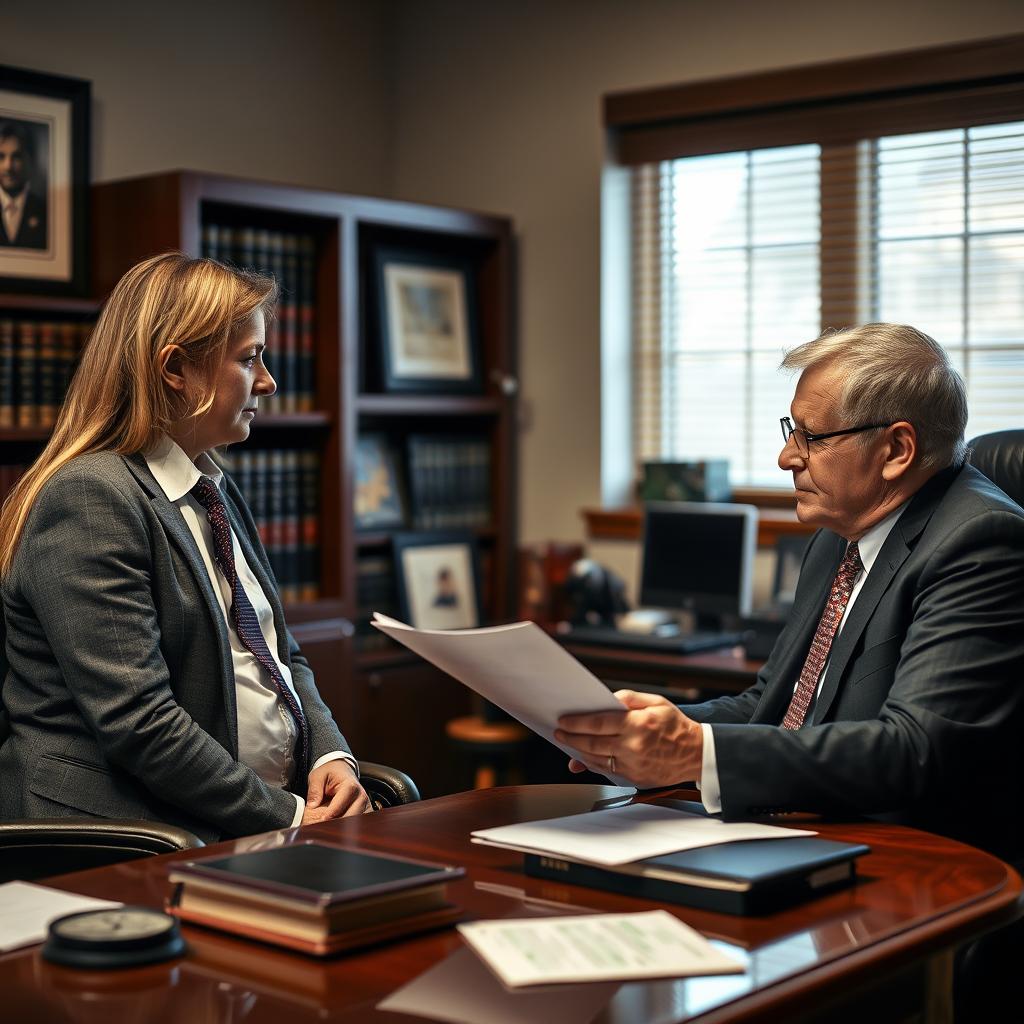
Juvenile Defense Lawyer Baltimore
You need a Juvenile Defense Lawyer Baltimore when your child faces court. Law Offices Of SRIS, P.C. —Advocacy Without Borders. handles juvenile cases in Baltimore City. Maryland law treats minors differently than adults. The goal is rehabilitation, not just punishment. An experienced attorney protects your child’s future. SRIS, P.C. defends juveniles in Baltimore courts. (Confirmed by SRIS, P.C.)
Statutory Definition of Juvenile Offenses in Baltimore
Maryland law defines juvenile jurisdiction under Courts and Judicial Proceedings Article, Title 3. A “child” is an individual under 18 years old. The court has exclusive original jurisdiction over a child alleged to be delinquent. Delinquency means an act that would be a crime if committed by an adult. The maximum penalty is commitment to the Department of Juvenile Services. This commitment can last until the child’s 21st birthday.
CJP § 3-8A-01 — Delinquency — Commitment to DJS until age 21. The Maryland juvenile justice system focuses on accountability and rehabilitation. It is separate from the adult criminal system. The state’s purpose is to provide for a child’s care, protection, and development. The process aims to preserve family unity whenever possible. A finding of delinquency is not a criminal conviction. It can still carry severe long-term consequences.
Proceedings are initiated by a petition filed by the State’s Attorney. The petition alleges the child is delinquent. It must state the alleged facts with specificity. The court can also handle children in need of supervision (CINS). CINS petitions involve non-criminal behavior like truancy or being ungovernable. Understanding these definitions is the first step for a Juvenile Defense Lawyer Baltimore.
What is the difference between delinquency and a criminal charge?
Delinquency is a civil finding, not a criminal conviction. A delinquency adjudication occurs in juvenile court. It is based on a preponderance of the evidence. A criminal conviction requires proof beyond a reasonable doubt. A delinquency finding does not create a public criminal record. It can still impact education, housing, and future opportunities.
Can a juvenile case be transferred to adult court in Baltimore?
Yes, certain serious offenses can lead to a waiver hearing. The State’s Attorney for Baltimore City can file a motion to waive jurisdiction. The court considers the child’s age, mental and physical condition, and the alleged offense. If waived, the child is tried as an adult in Circuit Court. This exposes them to adult criminal penalties. A strong defense at the waiver stage is critical.
What are common juvenile charges in Baltimore City?
Common charges include theft, assault, drug possession, and vandalism. More serious allegations involve armed robbery or carjacking. School-related incidents can lead to disorderly conduct charges. The specific allegations dictate the defense strategy. An attorney reviews police reports and witness statements immediately. Learn more about Virginia legal services.
The Insider Procedural Edge in Baltimore Juvenile Court
Baltimore City Juvenile Justice Center is at 300 N Gay St, Baltimore, MD 21202. All delinquency and CINS cases for Baltimore City are heard here. The building houses courtrooms, intake services, and the Department of Juvenile Services. Knowing the specific courtroom and judge assignment matters. Procedures here move quickly after a child’s arrest or citation.
The timeline starts with a intake officer’s decision. The officer can divert the case, recommend informal supervision, or file a petition. If a petition is filed, an initial hearing is scheduled promptly. Adjudication hearings function like a bench trial. Disposition hearings determine the consequences if the child is found involved. Filing fees are not typically assessed against the child or family. The state bears the cost of filing the petition.
Key local procedural fact: Baltimore City judges emphasize community-based solutions. They often order assessments for mental health or substance abuse. They frequently use probation before judgment (PBJ) for first-time offenders. Understanding this local temperament guides case strategy. An attorney must prepare for these specific court expectations.
What is the typical timeline for a juvenile case in Baltimore?
The initial hearing usually occurs within 30 days of the petition filing. Adjudication may be scheduled within 60-90 days. The entire process can last several months. Complex cases with multiple witnesses take longer. Speedy trial rights for juveniles differ from adult rights. Your attorney will push for the most favorable timeline.
Who are the key players in a Baltimore juvenile case?
The key players are the juvenile court judge, the Assistant State’s Attorney, and the child’s attorney. A Department of Juvenile Services caseworker is also involved. The caseworker prepares reports for the court. They make recommendations for disposition. The child’s attorney must challenge inaccurate or biased reports. Learn more about criminal defense representation.
Penalties & Defense Strategies for Baltimore Juveniles
The most common penalty is probation under Department of Juvenile Services supervision. Probation terms can include community service, counseling, and school attendance. The court can also order restitution to any victim. For more serious or repeat offenses, commitment to a DJS facility is possible. Commitment lengths vary based on the child’s needs and progress.
| Offense Level | Potential Penalty | Notes |
|---|---|---|
| Minor Misdemeanor (First Offense) | Informal Supervision, Diversion, Probation | Goal is to avoid formal court record. |
| Serious Misdemeanor / Felony | Probation, Commitment to DJS, Restitution | Commitment can be non-residential or residential. |
| Repeat Offenses | Enhanced Supervision, Residential Commitment | Focus shifts to public safety and accountability. |
| Weapons or Violence | Secure Detention, Lengthy Commitment | High risk of waiver to adult court. |
[Insider Insight] Baltimore City prosecutors prioritize cases involving violence or weapons. They are often willing to negotiate diversion for first-time non-violent offenses. They heavily rely on police reports and victim statements. Challenging the legality of a stop or search can be a strong defense. An attorney must file pre-adjudication motions to suppress evidence.
Defense strategies begin with a detailed case review. Was the child’s Miranda rights properly administered? Was there probable cause for a search? Were witness identifications reliable? Negotiating for a deferred adjudication agreement is often the best outcome. This allows for dismissal upon successful completion of terms. A Juvenile Defense Lawyer Baltimore builds this strategy from day one.
Can a juvenile record be expunged or sealed in Maryland?
Yes, juvenile records can be shielded under Maryland law. Eligibility depends on the offense and the outcome of the case. If the case was dismissed or the child was found not involved, expungement is available. For delinquency findings, shielding may be possible after a waiting period. A shielded record is not accessible to the public. Your attorney can file the necessary petitions.
How does a juvenile case affect college applications?
Most college applications ask about criminal convictions. A delinquency adjudication is not a conviction. It may not need to be disclosed. However, applications for federal financial aid (FAFSA) ask about drug convictions. A drug-related delinquency finding could impact aid eligibility. Legal advice is crucial before answering these questions. Learn more about DUI defense services.
Why Hire SRIS, P.C. for Juvenile Defense in Baltimore
Our lead attorney for juvenile matters is a former public defender with over 15 years in Baltimore courtrooms. This attorney knows the judges, prosecutors, and DJS caseworkers personally. That familiarity allows for realistic case assessment and effective negotiation. We understand the unique pressures of the Baltimore City Juvenile Justice Center.
Lead Juvenile Defense Attorney: Extensive experience defending minors in Baltimore. Former Maryland public defender focused on juvenile law. Handled hundreds of delinquency, CINS, and waiver hearings. Knows the local procedures and key personnel. Focuses on protecting the child’s future above all else.
SRIS, P.C. has a Location in Baltimore to serve clients directly. Our team approaches each case with the goal of minimizing long-term harm. We communicate clearly with both parents and the child. We explain every legal option in plain language. We fight to keep the child at home and in school. Our advocacy works to secure dismissals, diversions, and favorable dispositions.
We are not just lawyers; we are strategists for your family’s future. A juvenile charge creates fear and uncertainty. We provide a clear defense plan from the start. We gather evidence, interview witnesses, and challenge the state’s case. We protect your child’s rights during police questioning and court hearings. Hiring SRIS, P.C. means hiring determined advocates.
Localized FAQs for Juvenile Defense in Baltimore
What should I do if my child is arrested in Baltimore?
Remain calm and do not let your child speak to police. Immediately request a Juvenile Defense Lawyer Baltimore. Contact SRIS, P.C. at our 24/7 number. We will intervene with law enforcement and the court immediately. Learn more about our experienced legal team.
Will my child go to jail for a juvenile offense in Baltimore?
Juveniles are not sent to adult jail. They can be held in secure detention before court. After adjudication, they can be committed to a DJS facility. Our goal is to avoid secure detention through advocacy and negotiation.
How much does a juvenile defense lawyer cost in Baltimore?
Legal fees depend on the case’s complexity and charges. SRIS, P.C. provides a clear fee structure during your initial consultation. We discuss all costs and payment options upfront with no surprises.
Can I be in the courtroom with my child during the hearing?
Yes, parents or guardians have the right to be present. The court may also exclude them during sensitive testimony. Your attorney will advise you on courtroom procedure and etiquette.
What is the difference between a public defender and a private lawyer?
Public defenders are appointed by the court if you cannot afford an attorney. A private lawyer from SRIS, P.C. gives your case dedicated, personalized attention. You choose your advocate and have direct access throughout the process.
Proximity, CTA & Disclaimer
Our Baltimore Location is strategically positioned to serve clients facing juvenile court. We are accessible from neighborhoods across Baltimore City. The juvenile court is a central point for all proceedings. Consultation by appointment. Call 24/7. We are ready to defend your child’s future.
Law Offices Of SRIS, P.C.—Advocacy Without Borders.
Baltimore Location
Consultation by appointment. Call [Phone Number for Baltimore]. 24/7.
Past results do not predict future outcomes.