
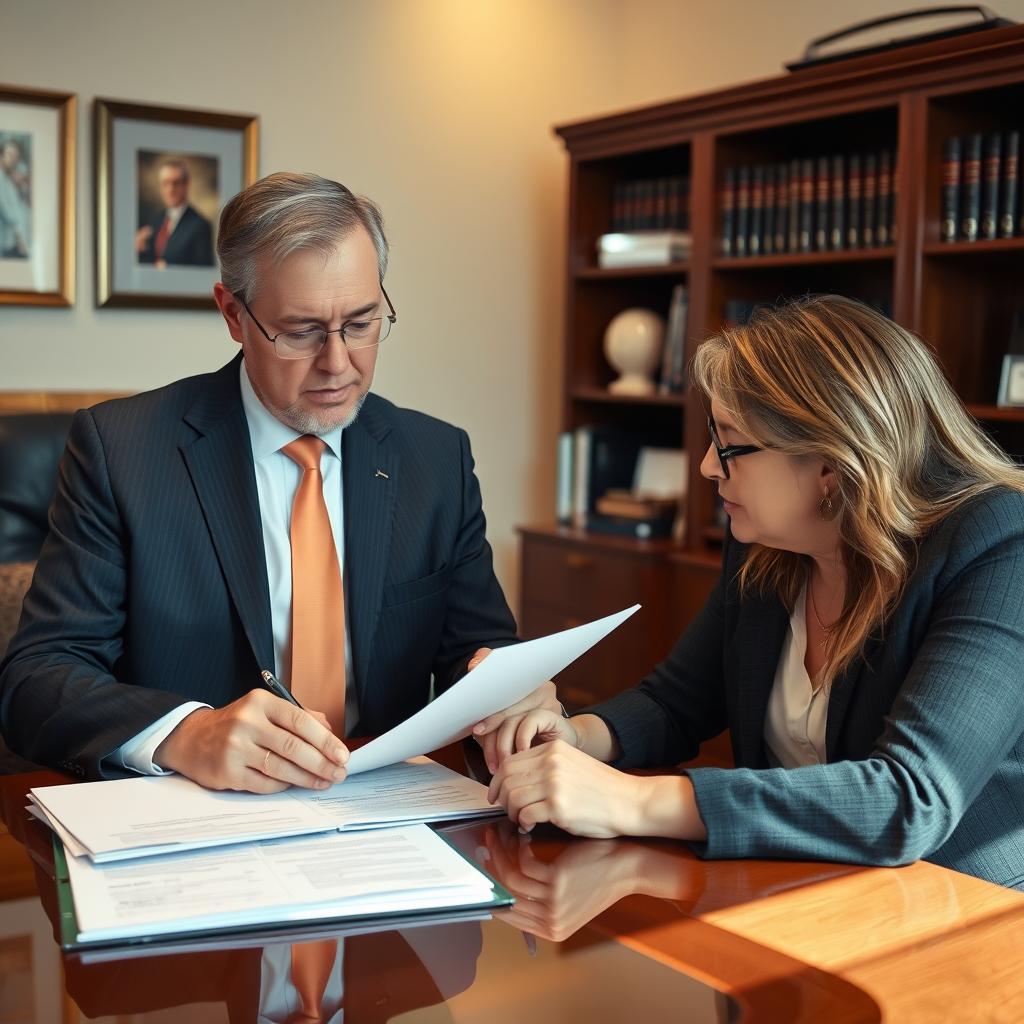
Distribution/Receipt of Child Pornography lawyer Maryland, MD
Federal distribution and receipt of child pornography is prosecuted under 18 U.S.C. § 2252 and carries mandatory minimum prison sentences, substantial fines, and lifetime sex offender registration. In Maryland, these charges are brought by the United States Attorney’s Office for the District of Maryland, with cases heard in the U.S. District Court for the District of Maryland at either the Baltimore or Greenbelt division. Federal conviction rates in these matters exceed 90%, and because there is no parole in the federal system, a custodial sentence means serving the great majority of the term imposed. Investigations are typically conducted by federal agencies including the FBI, Homeland Security Investigations, and the U.S. Secret Service, and they often involve search warrants, computer forensics, and undercover online operations. The government moves actively from investigation through indictment to trial. Early engagement of experienced defense counsel is critical. Mr. Sris and his Of Counsel team at Law Offices Of SRIS, P.C. represent individuals facing federal distribution and receipt of child pornography allegations in Maryland. Reach Law Offices Of SRIS, P.C. at (888) 437-7747 to request a consultation.
What Distribution/Receipt of Child Pornography Means in Maryland
Because the conduct is charged under federal law, a Maryland-resident accused of distributing or receiving child pornography is not prosecuted in state court. The case proceeds in the U.S. District Court for the District of Maryland, which sits in Baltimore and Greenbelt. The governing statute, 18 U.S.C. § 2252, makes it a felony to knowingly transport, ship, receive, distribute, or possess any visual depiction involving a minor engaged in sexually explicit conduct that has moved in interstate or foreign commerce. The interstate-commerce element is almost always satisfied, given the nature of digital transmission over the internet.
A conviction triggers mandatory minimum sentences: five years for a first-time receipt or distribution offense, and significantly higher terms for defendants with prior sex-offense convictions. The United States Sentencing Guidelines further influence the actual sentence, accounting for the number of images, the age of the depicted children, use of a computer, and whether the defendant distributed the material for pecuniary gain. Beyond incarceration, a person convicted under § 2252 faces a term of supervised release that can extend for life and must register as a sex offender under the Sex Offender Registration and Notification Act (SORNA). Maryland’s federal courts apply these sentencing rules uniformly, though local practice—such as the division where the case is filed—can affect scheduling and procedural posture.
How Mr. Sris and His Of Counsel Handle Distribution/Receipt of Child Pornography Cases
Mr. Sris and his Of Counsel team begin by examining the government’s investigation from the earliest stages. Federal agents often obtain search warrants for electronic devices and digital-storage accounts; a careful review of the warrant application, the supporting affidavit, and the scope of the search can reveal constitutional challenges under the Fourth Amendment. The defense also scrutinizes the forensic evidence—whether the files alleged to be child pornography were knowingly received or distributed, whether peer-to-peer network activity reflects intentional sharing or automated background processes, and whether the prosecution can prove the age of the depicted individuals. Mr. Sris, a former prosecutor, understands how federal charging decisions are made and works to engage the Assistant U.S. Attorney early, often before indictment, to present mitigating facts and, where appropriate, enter into pre-indictment discussions that may influence the charges ultimately brought.
If the case proceeds past indictment, Mr. Sris and his Of Counsel prepare for trial while simultaneously evaluating pre-trial motions, including motions to suppress evidence and motions for a bill of particulars. The defense also works with mitigation attorney and, when the evidence is strong, focuses on a sentencing strategy aimed at minimizing the impact of the Sentencing Guidelines. Because most federal defendants are detained pending trial, addressing pretrial detention is another critical front: the team advocates for release conditions that allow the client to assist in the defense. Throughout, the firm communicates candidly about what the client can expect at each stage, from the initial appearance before a federal magistrate judge through arraignment, discovery, and, if necessary, trial and sentencing.
About Mr. Sris and His Of Counsel Team
Mr. Sris, Owner and Founder of Law Offices Of SRIS, P.C., has practiced since 1997. He is admitted in Virginia, Maryland, the District of Columbia, New Jersey, and New York. His background as a former prosecutor gives him an insider’s understanding of how the government constructs a case—an invaluable asset in federal criminal defense. Mr. Sris testified before the Virginia House Courts of Justice Committee in support of 2019 HB 635 (chief patron Del. David Bulova). He works alongside a team of Of Counsel who collectively bring over 120 years of combined legal experience. Results may vary. The firm’s Maryland-based Of Counsel includes attorneys who previously served as Assistant State’s Attorneys in Maryland, bringing additional courtroom familiarity with Maryland federal practice.
Mr. Sris and his Of Counsel have documented 4,739+ case results across all practice areas since 1997. Results may vary. In federal criminal matters, the defense team’s familiarity with the U.S. District Court for the District of Maryland—including the pretrial release standards, the local rules of the Baltimore and Greenbelt divisions, and the expectations of the federal judges and magistrate judges—can materially affect the course of a case. Reach Law Offices Of SRIS, P.C. at (888) 437-7747 to discuss your situation.
Frequently Asked Questions
What are the penalties for federal distribution or receipt of child pornography in Maryland?
Federal distribution or receipt of child pornography carries a mandatory minimum of five years in prison for a first offense, with a maximum of 20 years, and can be longer for repeat offenders or cases involving aggravated factors. Additionally, the court imposes fines, a term of supervised release that may last for life, and mandatory sex-offender registration under SORNA. Sentences are heavily influenced by the U.S. Sentencing Guidelines, which take into account the number of images, the age of the victims, and the defendant’s conduct. Federal parole has been abolished, so an individual serves the majority of the sentence imposed. For case-specific guidance, reach Law Offices Of SRIS, P.C. at (888) 437-7747.
How does a federal child pornography investigation begin in Maryland?
Investigations typically start with a report from the National Center for Missing and Exploited Children or an undercover operation conducted by federal agents. The FBI, Homeland Security Investigations, or the U.S. Secret Service may obtain search warrants for electronic devices and cloud-storage accounts. Early legal involvement is critical: an experienced federal criminal defense attorney can review the warrant, preserve evidence, and advise against making statements to investigators. Contact Mr. Sris and his Of Counsel as soon as you learn of an investigation. To discuss the details of your matter, contact Law Offices Of SRIS, P.C. at (888) 437-7747.
Do I need a lawyer if I am merely a witness or “person of interest” in a federal child pornography case in Maryland?
Yes—any contact by federal agents regarding a child pornography investigation warrants immediate legal counsel. Even if you are not the target, anything you say to agents can be used to develop a case. Federal investigators are skilled at obtaining statements that can later be used to support a charge. Having an attorney handle the communication from the start protects your rights. Mr. Sris and his Of Counsel can engage on your behalf to determine the scope of the inquiry and work toward a favorable resolution. For a consultation, reach Law Offices Of SRIS, P.C. at (888) 437-7747.
Can evidence from an illegal search be suppressed in a Maryland federal court?
Yes, if a federal search violated the Fourth Amendment, the evidence obtained may be suppressed through a motion to suppress filed in the U.S. District Court for the District of Maryland. This requires a thorough review of the warrant application, the supporting affidavit, and the execution of the search. If the warrant was overbroad, lacked probable cause, or was executed beyond its scope, a motion can be filed. Success on such a motion often leads to the dismissal or significant weakening of the government’s case. Mr. Sris and his Of Counsel investigate every search for constitutional defects. To discuss your matter, reach Law Offices Of SRIS, P.C. at (888) 437-7747.
How long does a federal distribution/receipt of child pornography case take in Maryland?
The timeline varies by case complexity, but a contested federal case in Maryland often takes 12 to 18 months from indictment to resolution, with some extending longer. The Speedy Trial Act imposes deadlines that influence scheduling, yet the pace is also affected by the volume of discovery, the number of pretrial motions, and plea negotiations. Early retention of counsel can help manage the timeline and may lead to a faster resolution through focused defense work. For guidance on your specific situation, reach Law Offices Of SRIS, P.C. at (888) 437-7747.
Federal criminal defense in Maryland counties:
Montgomery County ·
Prince George’s County ·
Howard County ·
Anne Arundel County ·
Frederick County
Primary sources: Virginia Code Title 13.1 · Virginia Courts
Attorney advertising. Prior results do not guarantee a similar outcome.
Case results depend on a variety of factors unique to each case.