
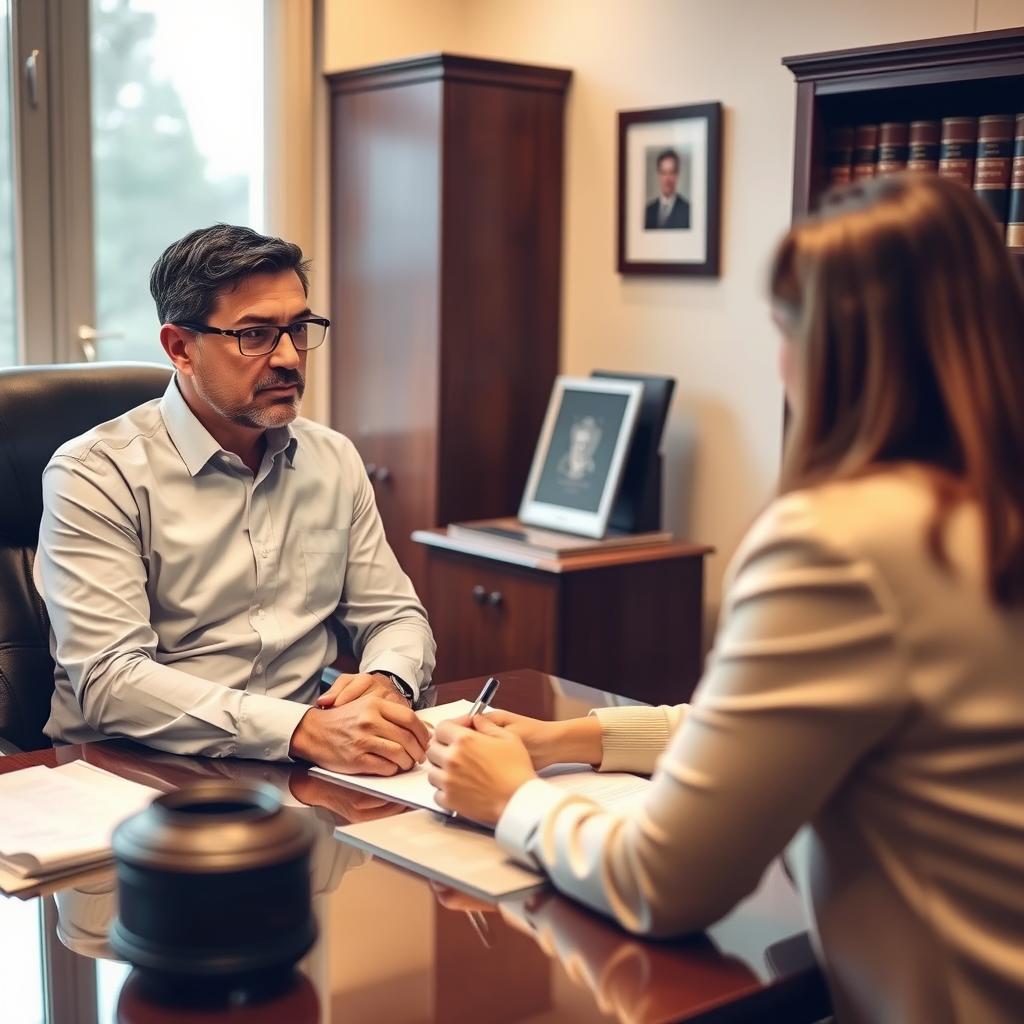
Aiding and Abetting lawyer Washington County, VA
Federal criminal charges that involve aiding and abetting under 18 U.S.C. § 2 treat a person who assists in the commission of a federal offense as equally liable as the principal. If you are facing a charge of aiding and abetting a federal crime in Washington County, Virginia, the matter is prosecuted in the United States District Court for the Western District of Virginia and carries potential exposure to the same penalties the underlying offense provides. Law Offices Of SRIS, P.C. represents clients in Washington County and throughout Virginia, Maryland, the District of Columbia, New Jersey, and New York, drawing on decades of federal criminal defense experience. Reach our location at (888) 437-7747 to request a consultation. Law Offices Of SRIS, P.C. – Advocacy Without Borders.
What Federal Aiding and Abetting Means in Washington County, Virginia
Federal aiding and abetting is not a separate charge with its own penalty; instead, it attaches liability to a person who knowingly assists, facilitates, or encourages the commission of a federal crime. Under 18 U.S.C. § 2, the aider is punishable as a principal. This means that someone who never carried out the core criminal act can face the same prison term, fines, and supervised release as the person who did. In Washington County, Virginia, federal cases that include an aiding-and-abetting theory are investigated by agencies such as the FBI, DEA, ATF, or IRS-CI, and are prosecuted by the United States Attorney’s Office for the Western District of Virginia. The applicable federal sentencing guidelines depend on the underlying offense—whether it is fraud, drug trafficking, a violent crime, or a white‑collar matter—and there is no parole in the federal system.
Washington County residents charged with federal aiding and abetting appear in the Abingdon division of the Western District of Virginia. The court’s case schedule and procedural requirements shape the timeline of pretrial proceedings, motions, discovery, and any plea negotiations or trial. Our firm is familiar with federal practice in this district and works to present a thorough defense at every stage. Because federal conviction rates are substantial and mandatory minimums may apply, early involvement of experienced counsel is critical. Mr. Sris and his Of Counsel assess the government’s evidence, challenge the sufficiency of the aiding-and-abetting allegation, and explore every available avenue to protect the client’s rights.
How Mr. Sris and His Of Counsel Handle Aiding and Abetting Cases
Defending a federal aiding-and-abetting charge requires a careful evaluation of whether the government can prove each element: that the underlying crime was committed, that the accused knew about it, and that the accused took some affirmative step to assist or encourage it. Our approach begins with a detailed review of the indictment, the grand jury record, and the prosecution’s evidence. We look for grounds to challenge the sufficiency of the charge, including whether the government’s theory overstates the defendant’s role or relies on mere presence or association. Where appropriate, we file pretrial motions to suppress evidence obtained in violation of constitutional protections or to dismiss counts that lack a sufficient factual basis.
Through every phase—initial appearance, detention hearing, discovery, plea discussions, trial preparation, and, if necessary, trial—Mr. Sris and his Of Counsel work to build a defense that addresses both the legal and factual dimensions of the case. We examine the government’s disclosure obligations under Brady v. Maryland, challenge informant testimony and cooperating‑witness credibility, and consider whether separate representation is needed for a defendant who may have been a minor participant. The goal is to secure the most favorable possible result, whether that means a pretrial resolution to a lesser charge, a directed verdict at trial, or a sentence well below the guideline range. At every step, the client is informed and involved in decision-making.
About Mr. Sris and His Of Counsel Team
Mr. Sris, Owner and Founder of Law Offices Of SRIS, P.C., established the firm in 1997 and is admitted in Virginia, Maryland, the District of Columbia, New Jersey, and New York. He is a former prosecutor whose experience in criminal trial work informs the strategic defense of clients facing serious federal allegations. Mr. Sris testified before the Virginia House Courts of Justice Committee in support of 2019 HB 635 (chief patron Del. David Bulova). He brings a disciplined, fact‑based approach to every federal aiding‑and‑abetting matter in Washington County and the Western District of Virginia.
Mr. Sris and his Of Counsel bring over 120 years of combined legal experience and 4,739+ documented firm-wide results to federal criminal defense. Results may vary. The team includes Of Counsel attorneys with backgrounds as former Maryland Assistant State’s Attorney and former Virginia State Trooper, bringing valuable insight into prosecution and investigation methods. Together, they concentrate on protecting clients’ rights under the U.S. Constitution and the Federal Rules of Criminal Procedure. Reach our location at (888) 437-7747 to discuss your case.
Frequently Asked Questions
What is federal aiding and abetting under 18 U.S.C. § 2?
Federal aiding and abetting makes a person who assists in the commission of a federal crime equally liable as the principal, with the same potential punishment. The charge does not carry a separate penalty; instead, it applies the penalties of the underlying offense to anyone who knowingly aids, counsels, commands, induces, or procures its commission. Even minimal assistance can trigger liability if the government proves the defendant knew of the criminal objective and intended to help it succeed. In Washington County, Virginia, such charges are litigated in the U.S. District Court for the Western District of Virginia.
What should I do if I am facing an aiding and abetting charge in Washington County, Virginia?
Contact a federal criminal defense attorney immediately, do not discuss the case with anyone except your lawyer, and preserve all relevant documents and communications. Aiding and abetting charges can escalate quickly; anything you say to investigators may be used to strengthen the government’s theory. Early legal guidance helps protect your rights during interviews, search warrant execution, and grand jury proceedings. Mr. Sris and his Of Counsel are available to advise clients in Washington County and across the Western District of Virginia.
How does a lawyer defend against federal aiding and abetting charges?
Defense strategies may include challenging whether the government can prove the defendant’s knowledge and intent, contesting the sufficiency of evidence linking the defendant to the crime, and filing motions to suppress improperly obtained evidence. A valid defense often focuses on whether the accused truly intended to help commit the offense or was merely present or unaware. Negotiating a resolution to a lesser charge or arguing for a minimal role adjustment at sentencing are also important avenues. Each case is unique, so a thorough investigation of the facts is essential.
Do I need a lawyer for an aiding and abetting charge, or can I represent myself?
You have the right to represent yourself, but because federal aiding‑and‑abetting charges carry the same penalties as the underlying crime—potentially including years of imprisonment and hefty fines—retaining experienced legal counsel is strongly advisable. Federal court procedures are complex, and prosecutors have substantial resources. An attorney who practices in the Western District of Virginia can navigate the procedural rules, evaluate discovery, and advise on the advantages and risks of plea offers versus trial. Self-representation risks overlooking critical defenses and sentencing opportunities.
What are the potential penalties for a federal aiding and abetting conviction?
The punishment for aiding and abetting is identical to the punishment for the underlying federal offense—meaning it could involve imprisonment, fines, supervised release, and forfeiture. The specific sentence depends on the statute charged, the Federal Sentencing Guidelines, any mandatory minimums, the defendant’s criminal history, and the role in the offense. Because there is no parole in the federal system, a significant portion of any prison term will actually be served. An experienced attorney can argue for downward departures or variances based on the defendant’s role or other mitigating factors.
How does the process work in the Western District of Virginia for aiding and abetting cases?
Federal aiding and abetting cases typically begin with a grand jury indictment or a criminal complaint, followed by an initial appearance and arraignment in the U.S. District Court for the Western District of Virginia. Pretrial deadlines are set for discovery, motions, and any plea negotiations. If no resolution is reached, the case proceeds to trial before a federal jury. The timeline varies depending on the complexity of the case, the number of defendants, and the court’s calendar. Mr. Sris and his Of Counsel guide clients through each phase, working to protect their interests at every step.
Federal Criminal lawyer Montgomery County ·
Federal Criminal lawyer Prince George’s County ·
Federal Criminal lawyer Howard County ·
Federal Criminal lawyer Anne Arundel County ·
Federal Criminal lawyer Frederick County
Attorney advertising. Prior results do not guarantee a similar outcome. Case results depend on a variety of factors unique to each case. Results may vary.