
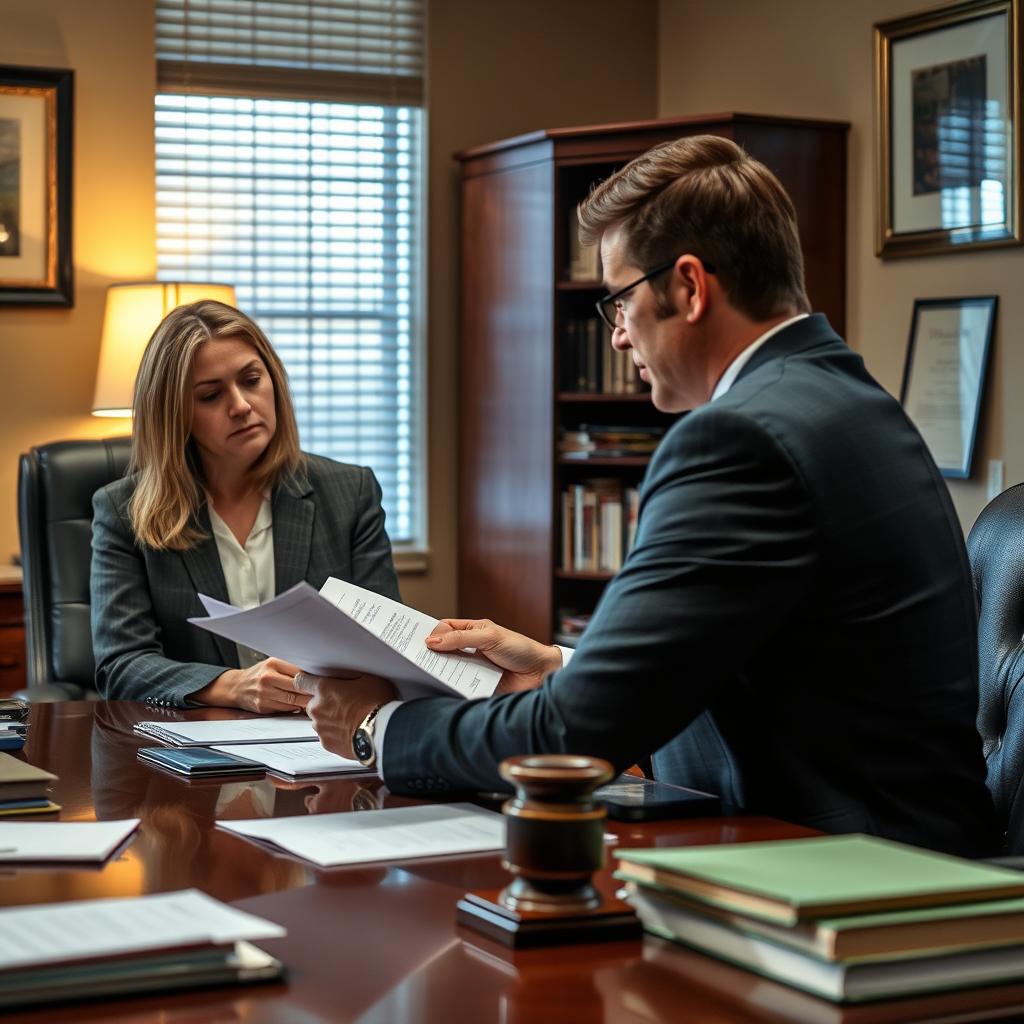
Conspiracy to Distribute Controlled Substances lawyer Washington County, VA
Federal conspiracy to distribute controlled substances is one of the most actively prosecuted offenses in the Western District of Virginia. Washington County residents who become targets of a federal drug-trafficking investigation or who receive a grand-jury subpoena, search warrant, or target letter need experienced counsel immediately—before charges are filed. The U.S. Attorney’s Office frequently charges conspiracy under 21 U.S.C. § 846 alongside substantive drug offenses, making coordination complex and the stakes very high. Mr. Sris and his Of Counsel team regularly handle federal conspiracy matters in the Abingdon Division of the U.S. District Court for the Western District of Virginia, which covers Washington County and the surrounding region. Early legal involvement can shape the course of an investigation, protect your rights during witness interviews, and position you for the strong $1. Law Offices Of SRIS, P.C. provides comprehensive representation from the investigative stage through sentencing. To schedule a consultation, reach our firm at (888) 437-7747. Law Offices Of SRIS, P.C. – Advocacy Without Borders.
What Conspiracy to Distribute Controlled Substances Means in Washington County, VA
A federal conspiracy to distribute controlled substances charge does not require proof that a drug transaction was actually completed. Under 21 U.S.C. § 846, the government must show that two or more persons agreed to distribute or possess with intent to distribute a controlled substance and that the defendant knowingly and voluntarily joined the agreement. Even a single conversation that the government characterizes as evidence of an agreement can expose a person to the same penalties that apply to the underlying drug offense—often mandatory minimum sentences and a federal prison term without parole.
Washington County federal drug conspiracy cases are prosecuted in the U.S. District Court for the Western District of Virginia, primarily through the Abingdon Division. The United States Attorney’s Office, working with the DEA, FBI, ATF, and other federal task forces, draws on extensive investigative resources that far exceed what a state-level drug case would involve. Because the Western District covers a large rural area stretching from the Shenandoah Valley to the coalfields, conspiracy investigations often span multiple counties and involve wiretaps, confidential informants, and cooperating witnesses. A person named in an indictment—or even a target letter—is facing a prosecution machine with a conviction rate that typically exceeds 90 percent. This reality makes it critical to have counsel who understands federal practice, the sentencing guidelines, and the local courtroom culture in Abingdon.
The interplay between federal conspiracy law and Virginia geography also raises strategic considerations. Federal prosecutors in the Western District frequently charge conspiracy as a way to aggregate drug-quantity evidence across multiple transactions and co‑defendants, which can trigger mandatory minimums that are far longer than a person might expect from a single delivery or sale. Moreover, the Washington County area’s proximity to Interstate 81, a known drug‑trafficking corridor, means that traffic stops and interdiction operations often produce the initial evidence that federal investigators later expand into a sweeping conspiracy case. Mr. Sris and his Of Counsel team carefully examine every link in the chain of evidence to identify weaknesses in the government’s conspiracy theory.
How Mr. Sris and His Of Counsel Handle Conspiracy to Distribute Controlled Substances Cases
Every federal drug conspiracy defense begins with a detailed review of the charging instrument—whether it is an indictment, criminal complaint, or information. Mr. Sris and his Of Counsel scrutinize the overt acts alleged by the government, analyze the scope of the claimed agreement, and assess the evidence that the prosecution intends to introduce, including surveillance, controlled buys, wire communications, and cooperating-witness statements. Where the government has built its case on the testimony of informants, the defense examines the informants’ credibility, their motivation to cooperate, and any inconsistencies in their accounts.
Pretrial motion practice often shapes the outcome. The firm may move to suppress evidence obtained in violation of the Fourth Amendment, challenge the admissibility of co‑defendant statements under the Confrontation Clause, or seek a bill of particulars to narrow the government’s allegations. In many cases, a well‑supported motion to suppress can lead to the exclusion of critical evidence and, in some situations, a dismissal of charges or a negotiated resolution far more favorable than what the guidelines would otherwise recommend.
If a case proceeds to trial, Mr. Sris and his Of Counsel focus on undermining the government’s conspiracy narrative. Because conspiracy often relies on circumstantial evidence and inferences, the defense works to show that the alleged agreement did not exist, that the defendant was not a knowing participant, or that the government’s evidence demonstrates no more than a buyer‑seller relationship—which does not establish conspiracy under federal law. The firm also prepares thoroughly for sentencing; where applicable, the defense presents mitigating factors and arguments for safety-valve relief or a downward departure, always grounded in the specific facts of the case and the requirements of the United States Sentencing Guidelines.
About Mr. Sris and His Of Counsel Team
Mr. Sris, Owner and Founder of Law Offices Of SRIS, P.C., has practiced law since 1997 and has built a firm that handles federal criminal matters throughout Virginia. A former prosecutor, Mr. Sris understands how the government constructs a drug‑conspiracy case—from the initial investigation and grand‑jury presentation through trial and sentencing. He draws on that experience to anticipate the prosecution’s strategy and to identify the pressure points in the government’s evidence.
Supporting Mr. Sris is a team of Of Counsel attorneys, all of whom are engaged through Excella and bring significant litigation experience to federal defense work. The collective practice draws on extensive courtroom backgrounds that include federal trials, motion hearings, and sentencing proceedings in the Western and Eastern Districts of Virginia. Because the firm does not employ associate attorneys, every client receives attention from experienced counsel who are directly involved in the strategic decisions that drive the defense. Mr. Sris and his Of Counsel are available to meet by appointment and can be reached at (888) 437-7747.
Frequently Asked Questions
Do I need a lawyer if I am only a target of a conspiracy investigation and have not been charged in Washington County, VA?
Yes, retaining counsel before charges are filed is one of the most important steps a person can take. Once you learn you are under federal investigation—whether through a target letter, a subpoena for records, or a visit from federal agents—every statement you make and every document you preserve or fail to preserve carries legal consequences. An experienced attorney can communicate with the government on your behalf, advise you during witness interviews, and work to prevent charges altogether or shape the scope of an indictment. Waiting until after an arrest to contact counsel cedes valuable ground that can seldom be regained. Mr. Sris and his Of Counsel are available by appointment; call (888) 437-7747.
What potential penalties am I facing for a conspiracy to distribute controlled substances charge in federal court?
Federal drug conspiracy carries the same sentencing exposure as the underlying drug offense, and many drug‑trafficking statutes impose mandatory minimum prison terms. The specific penalty depends on the type and quantity of the controlled substance attributed to the conspiracy under the United States Sentencing Guidelines. For example, an offense involving a substantial quantity of cocaine, heroin, methamphetamine, or fentanyl can trigger a mandatory minimum of 5 or 10 years and can extend to life imprisonment. There is no parole in the federal system, and good‑time credit is limited. Fines, forfeiture, and a lengthy term of supervised release may also apply. Every case is different; speak with counsel about what your particular exposure might be.
How does the federal court process work for a conspiracy case in the Western District of Virginia?
Federal criminal procedure is driven by the Speedy Trial Act, the Federal Rules of Criminal Procedure, and the local rules of the Western District. After an indictment or complaint, the defendant appears before a magistrate judge for an initial appearance and, if in custody, a detention hearing. The government then provides discovery, and the defense has an opportunity to file motions to suppress evidence, dismiss counts, or compel disclosure. If the case does not resolve through a plea agreement, it proceeds to trial before a district judge. Sentencing, if a conviction results, follows a presentence investigation and a separate hearing. The Abingdon Division’s calendar and the complexity of a multi‑defendant conspiracy can affect the overall timeline, but each phase of the process presents strategic opportunities that experienced counsel can exploit.
Can I be released on bail while my federal conspiracy case is pending in Washington County?
Federal pretrial release is governed by 18 U.S.C. § 3142, and the court must decide whether any condition or combination of conditions can reasonably assure the defendant’s appearance and the safety of the community. In drug conspiracy cases, the government frequently argues that the defendant poses a flight risk or a danger, particularly when large quantities of drugs are involved, because drug conspiracy charges often carry a presumption in favor of detention. However, counsel can present evidence of community ties, stable employment, family support, and a lack of criminal history to overcome the presumption. A strong bail presentation prepared with an understanding of the magistrate judge’s practices in the Western District can make a meaningful difference.
What should I do if federal agents come to my home or workplace to ask about a drug conspiracy?
Politely state that you will not answer questions without an attorney present and decline to consent to any search. You have the right to remain silent and the right to counsel. Do not answer questions—even seemingly innocent ones—and do not invite agents inside unless they produce a warrant signed by a judge. If presented with a warrant, read it carefully and take note of what it authorizes. Then immediately contact an experienced federal criminal defense attorney. Anything you say to law enforcement can be used as evidence against you in a conspiracy prosecution. To discuss your situation with Mr. Sris, call (888) 437-7747.
How does Law Offices Of SRIS, P.C. defend conspiracy charges when the government has cooperating witnesses?
Cooperating‑witness testimony is vigorously scrutinized for credibility problems, inconsistencies, and motivations to shift blame. In many federal drug conspiracy cases, the government’s case depends heavily on the word of codefendants or unindicted co‑conspirators who have accepted plea agreements and agreed to testify. The defense cross‑examines these witnesses about their criminal history, their benefit from cooperation, prior inconsistent statements, and any bias or motive to lie. Where appropriate, the firm also presents evidence that contradicts the witness’s account or shows that the supposed agreement did not exist. A thorough investigation of the government’s witnesses often reveals weaknesses that significantly weaken the prosecution’s case.
Additional federal criminal defense pages in Virginia:
Federal Criminal Defense Lawyer Fairfax County |
Federal Criminal Defense Lawyer Fairfax City |
Federal Criminal Defense Lawyer Falls Church |
Federal Criminal Defense Lawyer Prince William County |
Federal Criminal Defense Lawyer Manassas
Primary legal resources:
Attorney advertising. Prior results do not guarantee a similar outcome. Case results depend on a variety of factors unique to each case. Results may vary.