
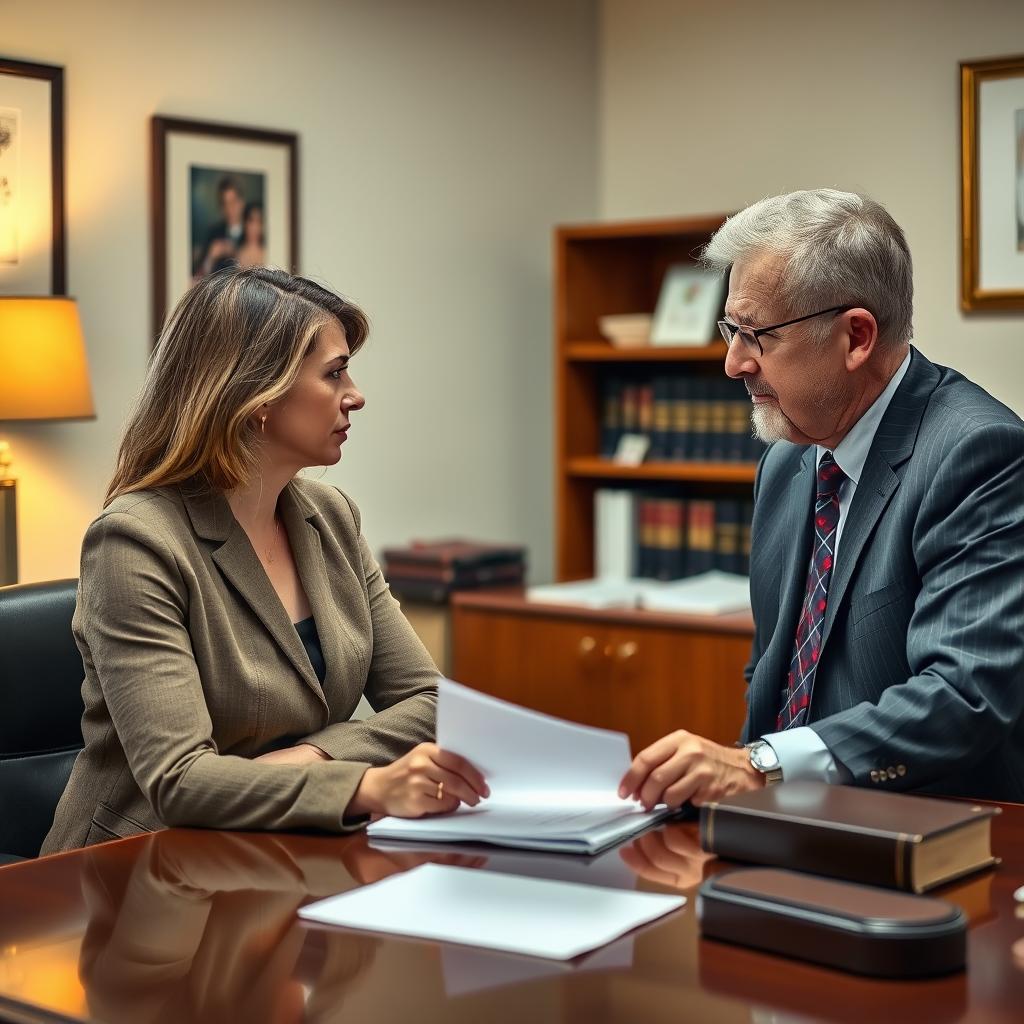
Failure to Register as a Sex Offender lawyer Frederick County, VA
If you are facing a federal charge for failure to register as a sex offender in Frederick County, Virginia, the consequences can be severe. The United States District Court for the Western District of Virginia handles these cases, and a conviction can carry a substantial prison sentence, supervised release, and ongoing registration obligations. At Law Offices Of SRIS, P.C., Mr. Sris and the firm’s Of Counsel attorneys provide experienced defense representation to individuals confronting these allegations. To discuss your situation and the legal options available, call (888) 437-7747. Law Offices Of SRIS, P.C. – Advocacy Without Borders.
What Federal Failure to Register as a Sex Offender Means in Frederick County, VA
Federal failure to register as a sex offender is prosecuted under the Sex Offender Registration and Notification Act (SORNA), codified at 18 U.S.C. § 2250. The offense targets individuals who are required to register under SORNA and travel in interstate or foreign commerce, yet knowingly fail to register or update their registration. Prosecutions can arise out of a failure to register in Virginia when the defendant moved from another state or left the country. The U.S. Attorney’s Office for the Western District of Virginia, which includes the Harrisonburg division covering Frederick County, pursues these cases actively. The government typically relies on documentary evidence, such as records from the Virginia State Police Sex Offender Registry, travel records, and witness testimony, to establish the elements of the offense.
For someone charged in Frederick County, the case proceeds in federal court in Harrisonburg or Roanoke, not in the local General District Court. The procedural timeline differs from state court—following federal rules of criminal procedure and the Speedy Trial Act. Pre‑indictment investigation may involve the U.S. Marshals Service or the FBI, and the case is presented to a federal grand jury. Understanding the federal court process is critical for anyone facing these charges. Mr. Sris and the firm’s Of Counsel attorneys are experienced in handling federal cases in the Western District and work to ensure that every procedural safeguard is used to the client’s advantage.
How Mr. Sris and the Firm’s Of Counsel Attorneys Handle Federal Failure to Register Cases
When someone contacts Law Offices Of SRIS, P.C. about a federal failure‑to‑register charge, the first step is a thorough review of the circumstances. The defense team examines the registration obligations that applied, whether the government can prove the required interstate travel element, and whether any statutory exceptions or defenses may apply. Mr. Sris, as a former prosecutor, and the firm’s Of Counsel attorneys scrutinize the charging documents and the underlying investigation to identify weaknesses in the prosecution’s case.
Early engagement with the U.S. Attorney’s Office can sometimes lead to a pretrial resolution or a reduction in the scope of the charges. If a case goes to trial, the team prepares a defense strategy focused on challenging the government’s evidence, cross‑examining witnesses, and presenting mitigating factors. Because federal sentencing guidelines drive the potential sentence, the defense works on every phase—from the initial appearance and detention hearing through any post‑trial proceedings—to achieve a favorable outcome. Every case is handled with attention to the unique facts and procedural posture; Mr. Sris and the firm’s Of Counsel attorneys take a methodical approach designed to protect the client’s rights.
About Mr. Sris and the Firm’s Of Counsel Attorneys
Mr. Sris is the Owner and Founder of Law Offices Of SRIS, P.C., a firm that has been serving clients since 1997. As a former prosecutor, he understands both sides of the courtroom and brings that insight to every federal criminal defense matter. He is admitted to practice in Virginia, Maryland, the District of Columbia, New Jersey, and New York. Mr. Sris testified before the Virginia House Courts of Justice Committee in support of 2019 HB 635 (chief patron Del. David Bulova).
The firm’s Of Counsel attorneys work alongside Mr. Sris to provide defense representation in federal failure‑to‑register cases. They bring extensive combined legal experience to these matters. Results may vary. in your case. Together, Mr. Sris and the firm’s Of Counsel attorneys concentrate on presenting a well‑prepared defense, advocating for the client at every stage of the federal criminal process.
Frequently Asked Questions
What is federal failure to register as a sex offender?
Federal failure to register as a sex offender is a criminal charge under 18 U.S.C. § 2250 for knowingly failing to comply with SORNA’s registration requirements after traveling interstate or internationally. The law requires individuals convicted of certain sex offenses to register in each jurisdiction where they live, work, or study, and to update their registration when they move. A violation can be prosecuted in federal court even if the underlying state registration obligation arose outside Virginia. The government must prove the defendant was required to register under SORNA, that the defendant traveled in interstate or foreign commerce, and that the defendant knowingly failed to register or update the registration.
What are the penalties for failure to register under federal law?
Penalties for a federal failure‑to‑register conviction can include up to 10 years in prison, a term of supervised release, and a fine. If the defendant commits a violent crime after failing to register, the sentence can be enhanced. The Federal Sentencing Guidelines provide a range based on the nature of the underlying sex offense and the defendant’s criminal history. Federal cases are subject to mandatory minimums in certain situations. An experienced attorney can explain how the guidelines apply to a specific case and work to mitigate the exposure.
What should I do if I’m charged with failure to register in Frederick County, VA?
If you are charged with federal failure to register in the Western District of Virginia, contact a federal criminal defense attorney immediately and exercise your right to remain silent. Do not discuss the case with investigators or anyone other than your lawyer. Preserve any documents or records that may show compliance with registration requirements, such as travel records or registry correspondence. Early legal intervention can affect the direction of the case, including pretrial release and the handling of the indictment.
How can a defense attorney challenge a failure‑to‑register charge?
A defense attorney may challenge the charge by contesting whether the defendant had a duty to register under SORNA, whether the travel element is satisfied, or whether the failure was knowing and willful. Sometimes errors in state registration records or notification procedures undermine the government’s proof. An attorney can also present evidence that the defendant made a good‑faith effort to comply. Each defense is fact‑specific; Mr. Sris and the firm’s Of Counsel attorneys evaluate all available angles to build the strong case.
Do I need a lawyer for a federal failure to register case in Virginia?
Yes, because federal court rules, sentencing guidelines, and the interests at stake make it critical to have representation from an attorney experienced in federal criminal defense. Federal cases proceed differently from state court and often involve investigations from federal law enforcement agencies. A guilty plea or conviction can result in a lengthy prison sentence and continued registration obligations that affect housing, employment, and family life. You can reach Law Offices Of SRIS, P.C. at (888) 437-7747 to schedule a consultation.
How do federal sentencing guidelines affect failure to register cases?
The Federal Sentencing Guidelines calculate a recommended sentence based on the offense level—which takes into account the underlying sex offense conviction—and the defendant’s criminal history category. The guidelines are advisory after United States v. Booker, but judges often apply them. For a failure‑to‑register offense, the base offense level may be enhanced if the defendant is found to have committed a sex offense while in failure‑to‑register status. Mr. Sris and the firm’s Of Counsel attorneys explain this framework and work to present arguments for a below‑guidelines sentence where appropriate.
Attorney advertising. Prior results do not guarantee a similar outcome. Case results depend on a variety of factors unique to each case. Results may vary.