
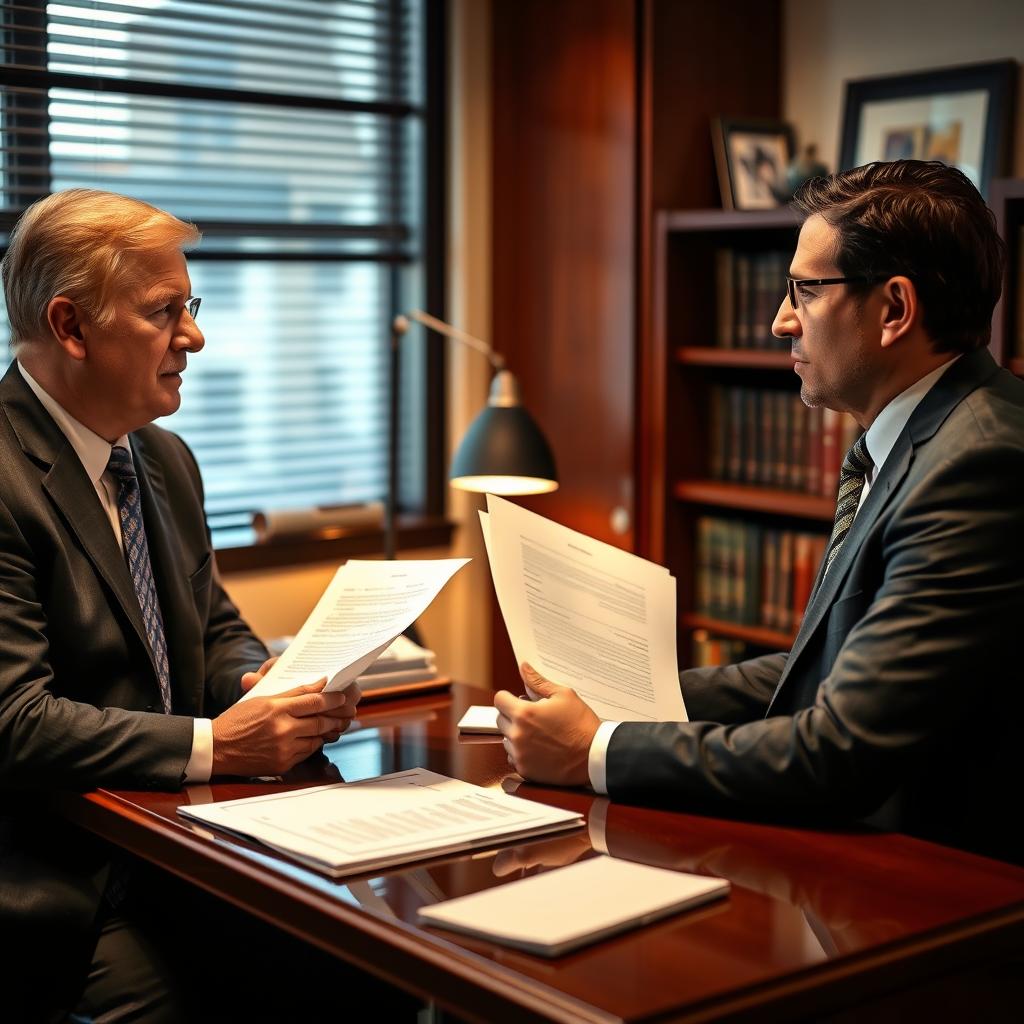
Continuing Criminal Enterprise lawyer Baltimore, MD
A continuing criminal enterprise charge in federal court is among the most serious drug-related prosecutions a person can face. In Baltimore, these cases are handled at the U.S. District Court for the District of Maryland, where the U.S. Attorney’s Office brings prosecutions backed by federal agencies including the DEA, FBI, and IRS. A conviction under 21 U.S.C. § 848 carries a mandatory minimum sentence of twenty years and can reach life imprisonment for repeat offenders. For someone named in a CCE indictment — often described as the “drug kingpin” statute — the government must prove the defendant acted as an organizer or supervisor of a continuing series of drug felony violations, supervised five or more other persons, and derived substantial income from the operation. The investigation typically spans months or years before charges are filed, and once an indictment is returned, the full weight of federal resources bears down on the defendant. Mr. Sris, Owner and Founder of Law Offices Of SRIS, P.C., and his Of Counsel bring extensive experience handling federal criminal matters in the District of Maryland. If you or someone you know has been contacted about a continuing criminal enterprise investigation in Baltimore, reach the firm at (888) 437-7747 to request a consultation. Law Offices Of SRIS, P.C. – Advocacy Without Borders.
What a Continuing Criminal Enterprise Charge Means in Baltimore
A continuing criminal enterprise charge, often referred to as the federal CCE statute, is codified at 21 U.S.C. § 848. Unlike a simple drug distribution or conspiracy count, CCE requires proof of a managerial role in an ongoing drug-trafficking operation. The government must establish that the defendant occupied a position of organizer, supervisor, or manager in a venture that involved a series of drug felonies, that five or more other individuals participated in that enterprise, and that the defendant obtained substantial income from it. Because the statute targets leaders and kingpins, the exposure is severe. A first conviction under § 848(b) carries a mandatory minimum of twenty years in prison, with the possibility of life imprisonment. For a repeat offender, the minimum is life without parole.
In Baltimore, these prosecutions are brought in the Northern Division of the U.S. District Court for the District of Maryland. The U.S. Attorney’s Office for the District of Maryland has dedicated resources to investigating and prosecuting large-scale drug operations, often working with multi-agency task forces. The federal court in Baltimore applies the Federal Sentencing Guidelines, which add another layer of complexity because the drug quantity attributable to the defendant and the defendant’s role in the offense both drive the advisory guideline range. Because there is no parole in the federal system, a conviction for continuing criminal enterprise means virtually the entire sentence imposed must be served. Attorneys at Law Offices Of SRIS, P.C. Familiar with the procedures in the District of Maryland know how these cases unfold from indictment through pretrial motions and, if necessary, trial.
Maryland’s federal courts also recognize the government’s frequent use of cooperating witnesses and wiretap evidence in CCE prosecutions. The sheer volume of discovery can be overwhelming. An experienced federal criminal defense attorney carefully analyzes the government’s evidence — testing the reliability of cooperators, challenging the basis for electronic surveillance, and examining whether the prosecution has met each element of the continuing criminal enterprise statute. The firm’s Rockville location represents clients in federal court in Baltimore, and Mr. Sris and his Of Counsel bring extensive experience in navigating the particular dynamics of the District of Maryland bench and bar. All meetings are by appointment only; reach the firm at (888) 437-7747.
How Mr. Sris and His Of Counsel Approach Federal Drug Enterprise Cases
Defending a continuing criminal enterprise charge begins long before the first court appearance. Often the investigation starts with a target letter, a subpoena, or the execution of a search warrant. Immediate engagement is critical because decisions made early — whether to speak with investigators, preserve documents, or respond to grand jury subpoenas — can shape the course of the case for years. Mr. Sris and his Of Counsel work to understand the government’s theory of the prosecution, identify potential weaknesses in the evidence, and develop a strategy tailored to the client’s circumstances.
Once an indictment is unsealed, the litigation moves into a familiar procedural path in the U.S. District Court for the District of Maryland: initial appearance, detention hearing, discovery, and motions practice. In a CCE case, discovery often includes thousands of pages of reports, intercepted communications, financial records, and experienced attorney analyses. Mr. Sris and his Of Counsel review this material meticulously, looking for legal issues that may support a motion to suppress, a motion to dismiss, or a challenge to the sufficiency of the indictment. Where appropriate, they engage in discussions with the U.S. Attorney’s Office to explore whether a resolution short of trial is in the client’s best interest. If the case proceeds to trial, Mr. Sris and his Of Counsel prepare to contest every element — from the existence of a continuing series of violations to the defendant’s supervisory control and income. Throughout the process, the client remains informed of developments and options. While no attorney can guarantee an outcome, effective preparation and a thorough understanding of federal drug-enterprise prosecutions are the foundation of a strong defense.
About Mr. Sris and His Of Counsel Team
Mr. Sris, Owner and Founder of Law Offices Of SRIS, P.C., has practiced criminal defense since 1997. He is admitted in Virginia, Maryland, the District of Columbia, New Jersey, and New York. As a former prosecutor, Mr. Sris gained firsthand insight into how the government builds criminal cases, and he applies that insight to defending clients facing serious federal charges, including continuing criminal enterprise. He keeps his caseload intentionally small so that each matter receives the focused attention it requires, working collaboratively with his Of Counsel to bring broad experience to bear on complex federal drug cases.
Mr. Sris testified before the Virginia House Courts of Justice Committee in support of 2019 HB 635 (chief patron Del. David Bulova). His Of Counsel include attorneys with backgrounds in state prosecution and litigation, and the team’s collective experience spans multiple practice areas and jurisdictions. Federal CCE cases in Baltimore demand a deliberate, detail-oriented approach, and Mr. Sris and his Of Counsel are prepared to assist clients from the investigation stage through sentencing. To schedule a consultation, call (888) 437-7747; meetings are by appointment only.
Frequently Asked Questions
What is a continuing criminal enterprise charge under federal law?
A continuing criminal enterprise charge under 21 U.S.C. § 848 targets leaders of large-scale drug operations who acted as organizers or supervisors of a continuing series of drug violations, managed five or more participants, and derived substantial income. The statute is often applied alongside conspiracy or drug trafficking counts. Because it carries harsh mandatory minimum penalties, it is reserved for cases the government believes involve kingpin-level conduct. The charge requires the government to prove a degree of organizational control beyond that of a typical co-conspirator, and the defense will examine whether the evidence supports each element.
What are the penalties for a CCE conviction?
A first conviction under 21 U.S.C. § 848(b) mandates a minimum of twenty years in prison and can result in a life sentence; a repeat offender faces life without parole. There is no parole in the federal system, so the sentence imposed is the time that must be served, minus any good-time credit. Fines, asset forfeiture, and supervised release after imprisonment are also common consequences. The Federal Sentencing Guidelines influence the actual sentence, and the amount of drugs attributed to the defendant plays a significant role in the guideline calculation. Because the stakes are so high, securing experienced counsel is critical.
How does a federal CCE case differ from a state drug case?
A federal CCE case is prosecuted in U.S. District Court, not state court, and is governed by federal rules of evidence, procedure, and sentencing, which differ significantly from state practice. Federal investigations are typically longer and involve multiple agencies. The government often uses grand jury subpoenas, wiretaps, and cooperating witnesses to build its case over months or years. Additionally, federal mandatory minimums and the absence of parole make the potential exposure far greater than what a similar charge would carry in state court.
What should I do if I am under investigation for a federal drug enterprise?
If you suspect you are under federal investigation for a drug enterprise, do not speak with law enforcement without an attorney present and contact experienced federal criminal counsel immediately. Federal agents may seek to interview you before charges are filed. Anything you say can be used as evidence. Preserving all documents and avoiding any destruction of records — even innocent deletions — is essential. Early legal intervention can shape the course of the investigation and may affect whether charges are brought.
Do I need a lawyer for a federal CCE case in Baltimore?
Yes, immediately. Federal cases at U.S. District Court for the District of Maryland are prosecuted by the U.S. Attorney’s Office with federal investigative resources and carry federal sentencing guidelines that often include mandatory minimums. State-court experience does not translate to federal practice, which has distinct rules, pretrial detention standards, and sentencing procedures. Early engagement before indictment materially affects outcomes. Law Offices Of SRIS, P.C. — (888) 437-7747, by appointment only.
How long does a federal criminal case take in Maryland?
The timeline for a federal criminal case in Maryland varies widely depending on the complexity of the charges, the volume of discovery, and the number of defendants. While the Speedy Trial Act requires that trial begin within a certain period after indictment, many cases take longer because both parties need time to review evidence, file pretrial motions, and engage in plea negotiations. A continuing criminal enterprise case, which often involves voluminous wiretap and financial records, may extend beyond a year from indictment to resolution. The court’s scheduling and any continuances also affect the timeline.
Related Resources
For legal guidance on other federal criminal matters in Maryland, see:
- Federal Criminal Lawyer Montgomery County, MD
- Federal Criminal Lawyer Prince George’s County, MD
- Federal Criminal Lawyer Howard County, MD
- Federal Criminal Defense at Law Offices Of SRIS, P.C.
Attorney advertising. Prior results do not guarantee a similar outcome. Results may vary. All consultations are by appointment only. Law Offices Of SRIS, P.C. — (888) 437-7747.
Case results depend on a variety of factors unique to each case.