
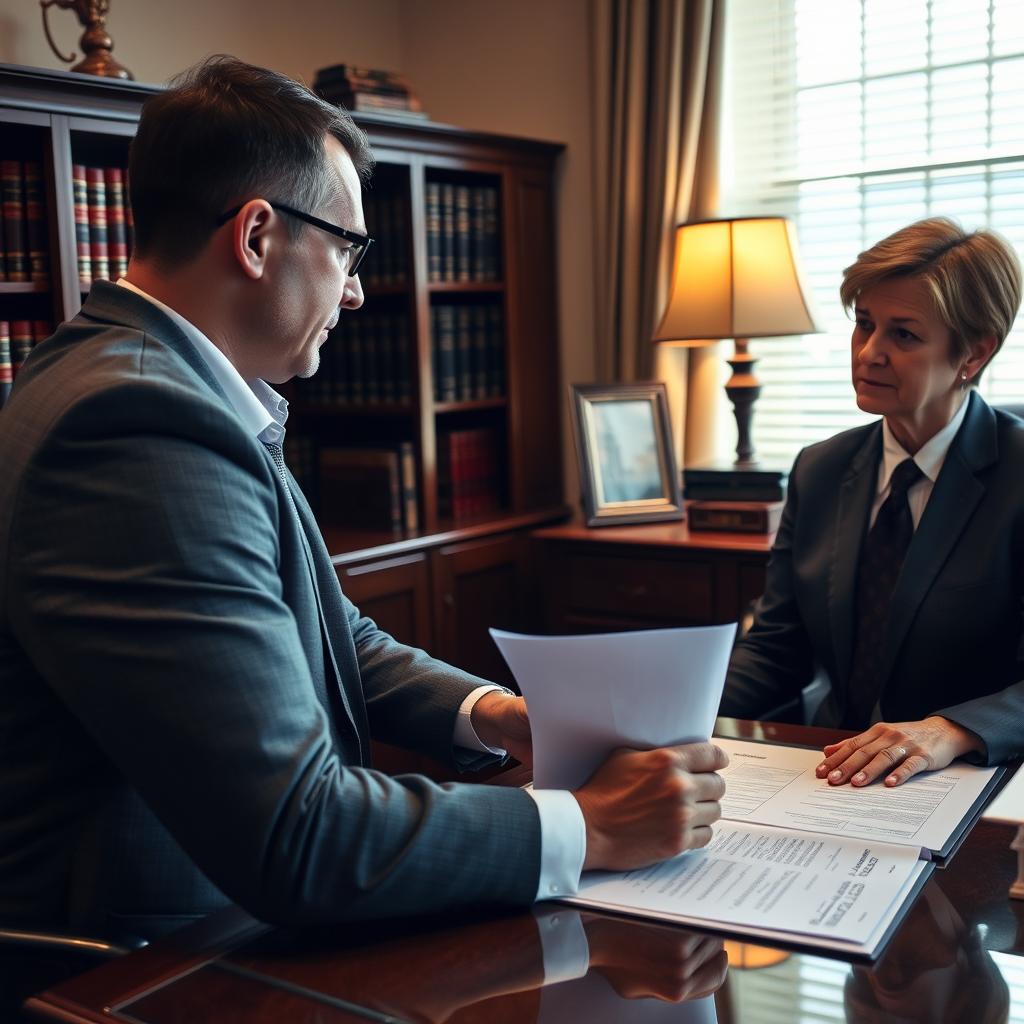
Federal Sentencing Lawyer Queen Anne’s County
You need a Federal Sentencing Lawyer Queen Anne’s County if you face federal charges. Federal sentencing follows strict U.S. Sentencing Guidelines. These guidelines use a complex point system. A conviction can mean decades in prison. Law Offices Of SRIS, P.C. —Advocacy Without Borders. Our attorneys fight for reduced sentences. We challenge evidence and negotiate with prosecutors. (Confirmed by SRIS, P.C.)
Statutory Definition of Federal Sentencing
Federal sentencing is governed by Title 18 of the U.S. Code and the U.S. Sentencing Guidelines. The U.S. Sentencing Guidelines Manual provides a structured framework for judges. This framework calculates a recommended sentencing range. The range is based on the offense level and the defendant’s criminal history. Judges must consider this range but can depart from it. Federal crimes carry severe penalties. These penalties often include lengthy prison terms. Fines and supervised release are also common. The maximum penalty depends on the specific federal statute violated. For example, drug trafficking under 21 U.S.C. § 841 can lead to life imprisonment. A Federal Sentencing Lawyer Queen Anne’s County understands these statutes. They use this knowledge to build a defense.
How the U.S. Sentencing Guidelines Work
The U.S. Sentencing Guidelines use a point-based grid system. The system starts with a base offense level. Points are added for specific offense characteristics. These include drug quantity or financial loss. The defendant’s criminal history category is also calculated. The intersection of the offense level and history category on the grid produces a range in months. This range is the guideline sentencing range. A Federal Sentencing Lawyer Queen Anne’s County challenges these calculations. They argue for lower offense levels or criminal history categories.
The Role of the Federal Presentence Investigation Report (PSR)
A probation officer prepares a Presentence Investigation Report before sentencing. The PSR details the offense and the defendant’s background. It includes the probation officer’s guideline calculation. This report heavily influences the judge’s decision. Defense counsel must review the PSR for errors. Objections to factual inaccuracies must be filed promptly. A skilled federal sentencing attorney scrutinizes every paragraph. They ensure the report is fair and accurate.
What Are “Departures” and “Variances”?
Judges can impose sentences outside the guideline range. A “departure” is a sentence outside the range based on specific guideline provisions. A “variance” is a sentence outside the range based on the factors in 18 U.S.C. § 3553(a). These factors include the nature of the offense and the defendant’s history. They also include the need for just punishment and deterrence. A Federal Sentencing Lawyer Queen Anne’s County argues for downward departures or variances. They present mitigating evidence to support a lower sentence.
The Insider Procedural Edge in Queen Anne’s County
Federal cases from Queen Anne’s County are typically heard at the U.S. District Court for the District of Maryland in Baltimore. The address is 101 West Lombard Street, Baltimore, MD 21201. Federal procedure is uniform but local rules and judge preferences matter. Knowing the specific courtroom procedures is critical. Filing deadlines are strict and non-negotiable. Missing a deadline can waive important rights. The initial appearance and arraignment happen shortly after arrest. Discovery and pretrial motions follow a set schedule. Sentencing occurs after a plea or trial verdict.
Key Local Procedural Facts for the District of Maryland
The District of Maryland has specific local rules. These rules govern electronic filing and motion practice. Some judges require mandatory mediation in certain cases. Understanding each judge’s standing orders is vital. These orders dictate page limits and hearing protocols. Prosecutors in the U.S. Attorney’s Location for the District of Maryland handle cases from Queen Anne’s County. Building a professional relationship with these prosecutors can aid negotiations. A federal sentencing lawyer with local experience knows these nuances.
Timeline from Indictment to Sentencing
The federal process moves quickly after an indictment. The Speedy Trial Act sets strict time limits. Trials must generally begin within 70 days of indictment. Plea negotiations can alter this timeline. If a plea agreement is reached, sentencing is usually scheduled 70-90 days later. This time allows for the completion of the Presentence Investigation Report. A defendant needs counsel immediately to manage this timeline. Delaying hiring a lawyer jeopardizes the defense.
Costs and Fees in Federal Court
Federal court filing fees are standardized. A fee schedule is available on the court’s website. The cost of a federal defense is significant. It reflects the complexity and high stakes of federal litigation. Investing in experienced counsel is often the most important factor in the outcome. SRIS, P.C. provides a Consultation by appointment to discuss case strategy and associated costs.
Penalties & Defense Strategies for Federal Crimes
Federal penalties are severe and often include mandatory minimum sentences. The most common penalty is a lengthy term of imprisonment in a federal prison. Fines can reach hundreds of thousands of dollars. Supervised release follows most prison sentences. Forfeiture of assets is also a common penalty. The table below outlines potential penalties for various federal offenses.
| Offense | Penalty | Notes |
|---|---|---|
| Drug Trafficking (21 U.S.C. § 841) | 5 years to life imprisonment; fines up to $10 million | Mandatory minimums apply based on drug type and quantity. |
| Wire Fraud (18 U.S.C. § 1343) | Up to 20 years imprisonment; fines | If the fraud affects a financial institution, penalties increase to 30 years. |
| Firearms Offenses (18 U.S.C. § 924(c)) | 5-year to life mandatory minimum, consecutive to other sentences | Penalty increases for brandishing or discharging the firearm. |
| Identity Theft (18 U.S.C. § 1028A) | 2-year mandatory minimum, consecutive to other sentences | This “aggravated identity theft” charge always adds time. |
[Insider Insight] Prosecutors in the District of Maryland often seek sentences within or above the guideline range for violent or drug crimes. They may be more open to negotiation in white-collar cases, especially for first-time offenders. An attorney’s ability to present a client in a mitigating light is crucial.
Defense Strategies to Reduce Your Sentence
Effective defense starts before sentencing. Challenging the evidence leading to conviction is the first step. If a plea is taken, negotiating a favorable plea agreement is key. This agreement can include stipulations that lower the guideline range. At sentencing, presenting mitigating evidence is essential. This includes family support, employment history, and acceptance of responsibility. Arguments for downward departures or variances must be compelling and well-documented. A federal sentencing lawyer crafts a narrative that encourages judicial leniency.
The Critical Impact on Your Driver’s License and Professional Life
A federal conviction can trigger state collateral consequences. While not a traffic offense, certain convictions can affect state driving privileges. Professional licenses are almost always at risk. Doctors, lawyers, and financial professionals can lose their licenses. A federal sentencing lawyer addresses these collateral consequences early. They work to minimize the overall impact on your life and livelihood.
First Offense vs. Repeat Offender Penalties
Criminal history dramatically increases federal sentences. A first-time offender may qualify for safety valve relief from mandatory minimums. This relief is only available under strict criteria. Repeat offenders face enhanced penalties. Prior convictions can double mandatory minimums. The sentencing guidelines assign more criminal history points for prior sentences. This pushes the guideline range higher. An attorney works to accurately classify criminal history. They argue against counting certain prior offenses.
Why Hire SRIS, P.C. for Your Federal Sentencing
Our lead federal attorney has over a decade of experience in U.S. District Courts. This attorney understands the pressure of federal sentencing hearings. They have represented clients in complex guideline calculations. The attorney’s background includes challenging forensic evidence and cooperating witness testimony. SRIS, P.C. focuses on the details that judges and prosecutors notice. We prepare extensive sentencing memoranda and character witness packages. Our goal is to secure the most favorable sentence possible under the law.
SRIS, P.C. provides criminal defense representation in federal courts. Our approach is direct and strategic. We do not make promises we cannot keep. We give you a clear assessment of your case. Our team works to identify every possible argument for a lower sentence. We communicate with you regularly about case developments. You will understand each step of the federal process. Our experienced legal team is ready to defend you.
Localized FAQs for Federal Sentencing in Queen Anne’s County
What court handles federal cases from Queen Anne’s County?
Federal cases from Queen Anne’s County are prosecuted in the U.S. District Court for the District of Maryland. The main courthouse is in Baltimore at 101 West Lombard Street.
How long does federal sentencing take after a plea?
Sentencing typically occurs 70 to 90 days after a guilty plea. This period allows the probation office to complete the mandatory Presentence Investigation Report.
Can I avoid prison with a federal sentence?
Prison is likely for most federal felonies. Probation is rare. Strategies focus on reducing the prison term, not eliminating it, through guideline arguments and mitigating evidence.
What is the “safety valve” in federal drug cases?
The safety valve allows judges to sentence below a mandatory minimum. It requires meeting five strict criteria, including minimal criminal history and truthfully providing all information to the government.
How much does a federal sentencing lawyer cost?
Costs vary widely based on case complexity and stage. Federal defense requires significant resources. SRIS, P.C. discusses fees during a Consultation by appointment.
Proximity, CTA & Disclaimer
While SRIS, P.C. does not have a physical Location in Queen Anne’s County, we represent clients throughout Maryland and in federal courts. Our attorneys are familiar with the U.S. District Court in Baltimore where Queen Anne’s County cases are heard. We provide strong DUI defense in Virginia and federal defense in Maryland. For federal charges, location within the district is key for court appearances and prosecutor relations. Consultation by appointment. Call 24/7. Do not face federal sentencing alone. Contact our team to discuss your case immediately.
Past results do not predict future outcomes.