
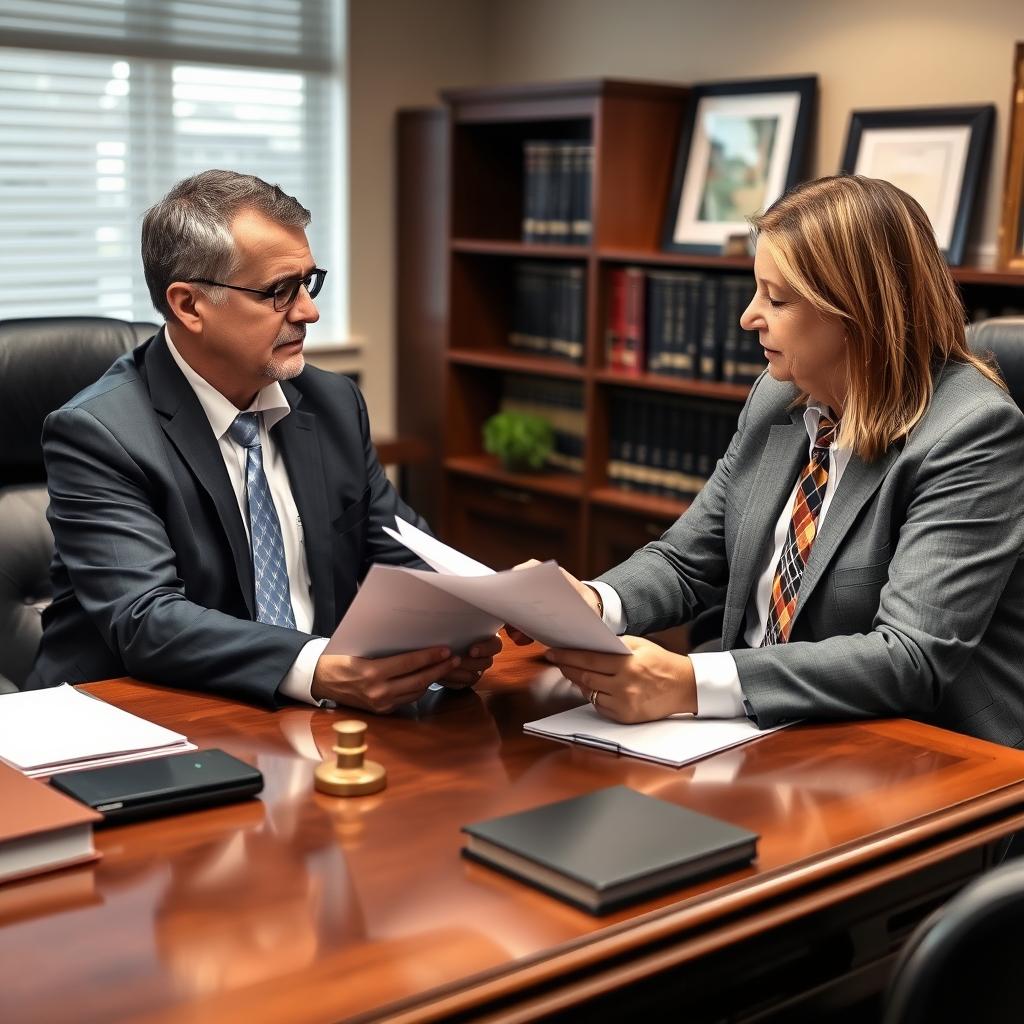
Classified Materials Lawyer Somerset County
You need a Classified Materials Lawyer Somerset County if you face charges for mishandling government secrets. Law Offices Of SRIS, P.C.—Advocacy Without Borders. defends these serious federal and state cases. Charges under the Espionage Act or Maryland law carry decades in prison. Our team builds a defense based on intent, authorization, and damage assessment. Contact SRIS, P.C. for a case review. (Confirmed by SRIS, P.C.)
Statutory Definition of Classified Materials Offenses
Classified materials charges in Somerset County stem from both federal and Maryland state law. The primary federal statute is 18 U.S.C. § 793(e) — a felony — with a maximum penalty of 10 years imprisonment per count. Maryland state law also criminalizes the unauthorized disclosure of certain government records. These are not simple document cases. They are national security matters prosecuted with significant resources. The government must prove you had unauthorized possession of defense information. They must also prove you knew the information could harm the United States. A Classified Materials Lawyer Somerset County challenges every element of this proof.
18 U.S.C. § 793(e) — Felony — Maximum 10 Years Imprisonment. This statute makes it a crime to have unauthorized possession of documents relating to national defense. You must have reason to believe the information could injure the U.S. or aid a foreign nation. “National defense” is broadly interpreted by courts. It covers more than just military plans. It includes any information related to national security.
What is the Maryland state law for classified materials?
Maryland Code, Criminal Law § 10-601 addresses the wrongful disclosure of state secrets. This state-level charge is a misdemeanor punishable by up to 3 years in prison. It applies to state employees or officials who disclose confidential government information. The information must be classified by a state agency. A dual prosecution under both federal and state law is possible. A local Classified Materials Lawyer Somerset County understands this overlap.
How does the government prove “intent to harm”?
The government often uses circumstantial evidence to argue intent. Prosecutors point to how you stored the materials or who you contacted. They analyze your security clearance status and training records. Mere negligence is not enough for a conviction under 18 U.S.C. § 793. The prosecution must show willful retention or disclosure. Your defense attacks this specific intent requirement. We scrutinize your authorization level and the information’s classification status.
What constitutes “national defense information”?
National defense information includes military plans, intelligence activities, and foreign relations secrets. It also covers scientific and technological developments vital to security. The classification level—Confidential, Secret, or Top Secret—is key evidence. However, even unmarked information can be deemed classified if it meets the criteria. The definition’s breadth makes early defense intervention critical. We demand precise specificity from the prosecution on what was compromised. Learn more about Virginia legal services.
The Insider Procedural Edge in Somerset County
Your case will be heard at the United States District Court for the District of Maryland or the Somerset County Circuit Court. Federal charges are filed at the U.S. District Court in Baltimore. The address is 101 West Lombard Street, Baltimore, MD 21201. State charges are filed at the Somerset County Circuit Court at 30512 Prince William Street, Princess Anne, MD 21853. Federal procedure moves faster than state court. Expect initial appearances within days of arrest. Arraignments follow quickly. Filing fees are not typically assessed in criminal cases. The real cost is in pre-trial motions and discovery battles. The government has vast resources for digital forensics and experienced witnesses. Your defense must match that intensity from day one.
What is the typical timeline for a federal classified materials case?
A federal classified materials case can take 18 to 36 months to resolve. The Speedy Trial Act sets a 70-day clock from indictment to trial. This clock is often paused for complex discovery and security reviews. Classified Information Procedures Act (CIPA) hearings add months to the process. These hearings determine how classified evidence can be used at trial. Delays favor the defense by allowing thorough case preparation. We use every day to challenge the prosecution’s evidence.
Will my case be in Somerset County or federal court?
Most serious classified materials cases are prosecuted in federal court. The Department of Justice has primary jurisdiction over Espionage Act violations. If the materials were stored or found in Somerset County, local FBI or NCIS agents will investigate. State charges may be filed if the materials involve Maryland government secrets. Your attorney must be prepared to litigate in both forums. SRIS, P.C. has experience in federal districts across the region.
What are the key pre-trial motions in these cases?
Key motions include motions to suppress evidence from illegal searches. We file motions to dismiss for vagueness or lack of specificity. Motions under CIPA § 4 protect classified evidence during discovery. We challenge the legality of security clearances and access authorizations. A successful motion can cripple the government’s case before trial. We file aggressively to test the prosecution’s legal foundation. Learn more about criminal defense representation.
Penalties & Defense Strategies
The most common penalty range for a federal conviction is 70 to 120 months in prison. State convictions carry shorter but still severe sentences. Fines can reach $250,000 per count. The penalties escalate with the volume and sensitivity of materials. Prior security clearance is a major aggravating factor. A conviction also means permanent loss of any security clearance. You will be barred from government employment and many private sector defense jobs. Probation is rare in these cases. The judge will consider the perceived damage to national security.
| Offense | Penalty | Notes |
|---|---|---|
| 18 U.S.C. § 793(e) (Federal) | Up to 10 years prison, $250,000 fine per count | Espionage Act violation; parole not available. |
| MD Code § 10-601 (State) | Up to 3 years prison, $10,000 fine | Misdemeanor; applies to state secrets. |
| Ancillary Penalties | Loss of clearance, deportation, firearm rights | Collateral consequences are severe and permanent. |
[Insider Insight] Federal prosecutors in Maryland prioritize cases with alleged foreign connections. They seek lengthy sentences to deter others. Local U.S. Attorney’s Locations work closely with FBI and DOJ National Security Division. Early negotiation on charges is difficult but not impossible. The defense must demonstrate flaws in the damage assessment. We challenge the government’s claim of actual harm to national security.
What are the sentencing guidelines for a first offense?
Federal Sentencing Guidelines start at a Base Offense Level of 35 for mishandling Top Secret data. This translates to 168-210 months in prison before adjustments. The level increases for volume, foreign agents, and obstruction. A first-time offender with no criminal history still faces a high guideline range. The judge has discretion but rarely departs below guidelines in these cases. We fight to lower the offense level through factual and legal arguments.
Can I keep my security clearance during the case?
Your security clearance will be suspended immediately upon indictment. The agency will initiate revocation proceedings. A suspension is virtually automatic in these cases. Clearing your name at trial is the only path to reinstatement. An acquittal does not commitment your clearance will be restored. The administrative process is separate from the criminal case. We coordinate with administrative counsel to protect your rights. Learn more about DUI defense services.
What is the single best defense strategy?
The best defense is attacking the government’s proof of willful intent. We show you lacked criminal intent to harm the United States. We demonstrate authorized possession or accidental retention. We challenge the classification status of the materials themselves. We expose flaws in the chain of custody and forensic analysis. Every case turns on specific facts about your access and actions. We build a narrative of mistake, not espionage.
Why Hire SRIS, P.C. for Your Defense
Our lead attorney for national security matters is a former military prosecutor with a Top Secret clearance background. This attorney understands the protocols and culture surrounding classified information. SRIS, P.C. has defended clients in federal courts across Maryland and the Fourth Circuit. We know how prosecutors build these cases from the inside. We are not intimidated by the Department of Justice or intelligence agencies. We respond with precise legal challenges and aggressive representation. Our focus is on the facts and the law, not the politics of the case.
Lead National Security Counsel: Former JAG officer with experience in security clearance adjudications. This attorney has handled cases involving the Espionage Act and the Classified Information Procedures Act. They have negotiated with the Department of Justice’s National Security Division. They understand the damage assessment process used by intelligence agencies.
Localized FAQs for Somerset County
What should I do if federal agents contact me about classified materials?
Do not speak to them. Immediately state you want an attorney. Call SRIS, P.C. at 24/7. Anything you say can be used against you. Agents are trained to obtain incriminating statements. Learn more about our experienced legal team.
How long does an investigation take before charges are filed?
Federal investigations can last months or years. The FBI conducts a thorough forensic review before seeking an indictment. Do not assume no contact means you are clear. Consult an attorney early.
Can I be charged if I accidentally took classified documents home?
Yes, but accident is a defense to the “willfulness” element. The prosecution must prove you knew you had them and retained them knowingly. Your training and past conduct are critical evidence.
What is the CIPA process in a classified materials case?
The Classified Information Procedures Act governs how secret evidence is used in court. It requires secure filings and clearances for defense counsel. It aims to prevent public disclosure of sensitive data during trial.
Will I go to a local jail or a federal prison?
Conviction on federal charges means serving time in a Federal Bureau of Prisons facility. You will not be held in a Somerset County jail post-conviction. Pretrial detention may be local or federal.
Proximity, CTA & Disclaimer
Our legal team serves clients in Somerset County, Maryland. Procedural specifics for Somerset County are reviewed during a Consultation by appointment. We develop defense strategies for federal courts in Baltimore and state courts in Princess Anne. Consultation by appointment. Call 24/7. Our firm’s approach is direct and focused on your defense. We analyze the charges, evidence, and procedures specific to your situation.
Law Offices Of SRIS, P.C. —Advocacy Without Borders.
Consultation by appointment. Call 24/7.
Past results do not predict future outcomes.