
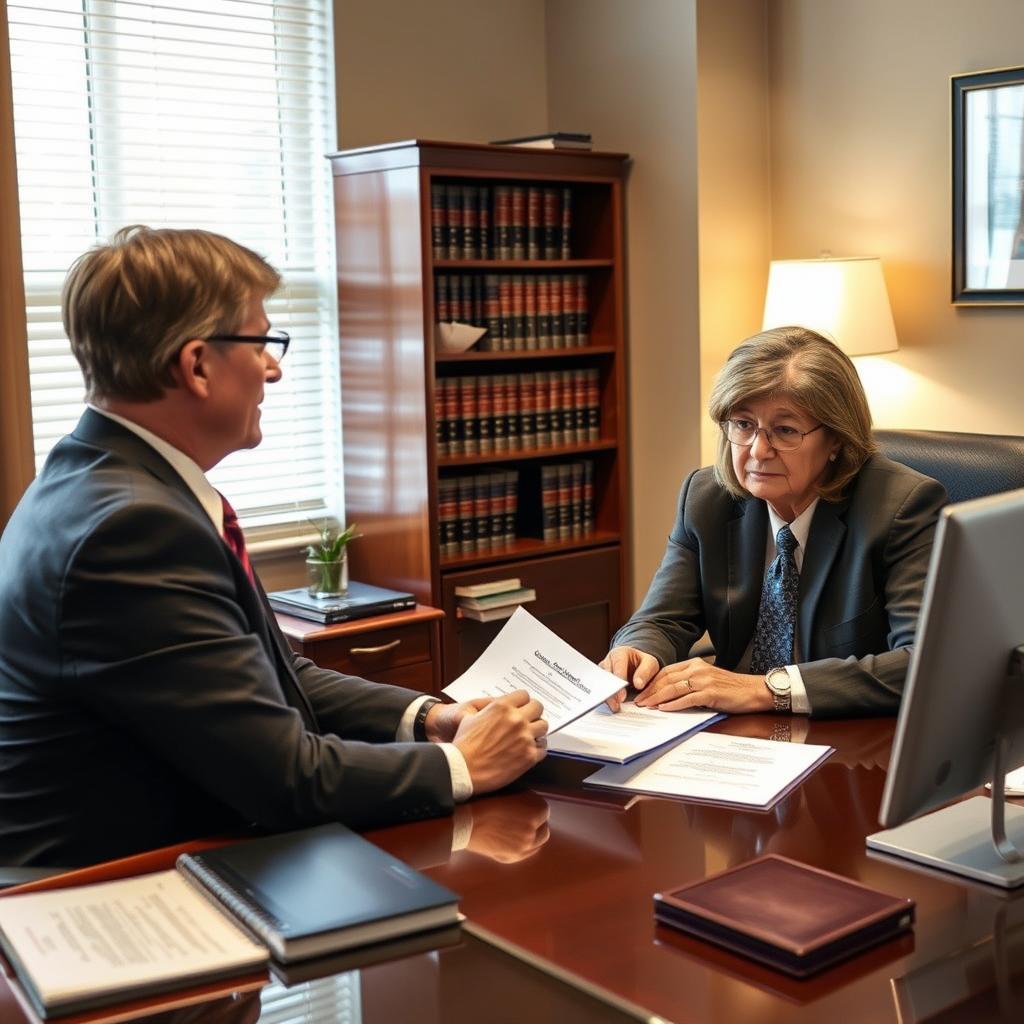
Classified Materials Lawyer Montgomery County
You need a Classified Materials Lawyer Montgomery County if you face charges under Virginia’s strict national security laws. Law Offices Of SRIS, P.C. —Advocacy Without Borders. These are serious felony charges prosecuted in federal court, not local Montgomery County courts. A conviction carries severe prison time and permanent consequences. SRIS, P.C. provides defense for these complex federal matters. (Confirmed by SRIS, P.C.)
Statutory Definition of Classified Materials Offenses
Classified materials cases in Montgomery County are governed by federal law, primarily 18 U.S.C. § 793(e) — a felony — with a maximum penalty of 10 years imprisonment per count. Virginia state courts in Montgomery County do not have jurisdiction over these federal national security crimes. Your case will be handled in the United States District Court for the Western District of Virginia. The federal government, through agencies like the FBI, investigates and prosecutes these violations. Charges involve the unlawful gathering, transmitting, or losing of defense information. The intent to harm the United States or aid a foreign nation is a critical element. The Espionage Act is the primary statute used. Other relevant codes include 18 U.S.C. § 1924 for unauthorized removal and retention. These laws apply regardless of whether the material was marked classified. The prosecution must prove you had unauthorized possession and reason to believe the information could damage national security. Defenses often challenge the required intent and the classification status of the materials. You need a Classified Materials Lawyer Montgomery County who understands federal procedure.
What specific federal laws apply in Montgomery County?
The Espionage Act, 18 U.S.C. §§ 793-798, is the primary law for classified materials cases originating in Montgomery County. Section 793(e) covers unlawful possession and transmission of national defense information. Section 1924 criminalizes the unauthorized removal and retention of classified documents. These are exclusive federal statutes. Virginia state code does not contain equivalent provisions for national defense secrets. All prosecutions are initiated by the U.S. Attorney’s Location.
How does federal jurisdiction work for a Montgomery County resident?
Federal jurisdiction attaches if the alleged offense involves U.S. national defense information, regardless of the suspect’s county of residence. For a Montgomery County resident, the case is filed in the nearest federal district court. That is the U.S. District Court for the Western District of Virginia. The investigation is conducted by federal agents, not Montgomery County Sheriff’s deputies. Your local Classified Materials Lawyer Montgomery County must be admitted to practice in that federal court.
What is the difference between “classified” and “national defense” information?
“National defense information” is a broader legal term defined in the Espionage Act. It includes any information related to the national defense that could be useful to an enemy. “Classified” refers to information formally designated under an executive order. Not all national defense information is formally classified. However, all classified information related to national security is considered national defense information under the law. The prosecution must prove the information falls into this protected category.
The Insider Procedural Edge in Federal Court
Your case will be in the United States District Court for the Western District of Virginia, located at 210 Church Avenue SW, Roanoke, VA 24011. This is the federal courthouse with jurisdiction over Montgomery County. The procedural timeline is dictated by the Federal Rules of Criminal Procedure, not Virginia state rules. Initial appearances and arraignments happen quickly after a federal indictment or complaint. The court operates on strict scheduling orders. Filing fees are not typically assessed to defendants in criminal cases. The clerk’s Location handles all case filings. Pretrial motions are critical and have specific deadlines. Discovery in federal cases is governed by Rule 16. The court often requires a speedy trial under the Speedy Trial Act. Local rules of the Western District of Virginia add specific requirements. Judges expect attorneys to be thoroughly prepared. Procedural missteps can severely disadvantage a defendant. You need counsel familiar with this specific federal district’s practices. Learn more about Virginia legal services.
What is the standard timeline for a federal classified materials case?
The Speedy Trial Act requires trial within 70 days of indictment or initial appearance. Complex cases often have excludable delays for motion practice and discovery. A Classified Materials Lawyer Montgomery County will file motions to extend deadlines for proper defense preparation. The discovery process involves sensitive national security information. This may trigger Classified Information Procedures Act (CIPA) hearings. These hearings add significant time before a trial can be set.
Where are federal detention hearings held for Montgomery County defendants?
Detention hearings are held at the federal courthouse in Roanoke. A magistrate judge determines if you will be released pending trial. The government often seeks detention in classified materials cases, arguing you are a flight risk or danger. Your lawyer must argue for conditional release or bond. The judge considers the nature of the charges and the evidence. This hearing is one of the first critical stages in your case.
Penalties & Defense Strategies
The most common penalty range for an 18 U.S.C. § 793 conviction is 5 to 10 years in federal prison per count. Federal sentencing uses advisory guidelines based on offense level and criminal history. Convictions under the Espionage Act carry severe consequences beyond imprisonment. You face substantial fines and forfeiture. A felony conviction results in the permanent loss of certain civil rights. You will be prohibited from possessing firearms. Future employment in government or defense contracting is impossible. Supervised release follows any prison term. The court imposes mandatory special assessments.
| Offense | Penalty | Notes |
|---|---|---|
| 18 U.S.C. § 793(e) (Espionage) | Up to 10 years prison per count | Felony; fines up to $250,000 |
| 18 U.S.C. § 1924 (Unauthorized Removal) | Up to 5 years prison | Felony; fines possible |
| Conspiracy to Violate Espionage Act | Same as underlying offense | Separate felony count |
| Forfeiture | Seizure of property used in crime | Including computers, media |
[Insider Insight] Federal prosecutors in the Western District of Virginia take a severe stance on classified materials cases. They coordinate closely with national security divisions in Washington. Early intervention by a skilled defense attorney is critical to challenge the premise of the charges before the case solidifies. Negotiations often focus on reducing the number of counts or securing a plea to a lesser-included offense. Learn more about criminal defense representation.
What are the long-term consequences of a conviction?
A federal felony conviction for mishandling classified materials permanently bars you from holding a security clearance. You cannot work for the federal government or any defense contractor. You lose the right to vote in Virginia while incarcerated and on supervised release. International travel will be severely restricted. You must register as a felon. The social stigma is significant and lasting.
Can you avoid prison time in a classified materials case?
Avoiding prison is difficult but possible with an aggressive defense strategy. Success depends on the strength of the government’s evidence and your specific intent. Your Classified Materials Lawyer Montgomery County can negotiate for a non-custodial sentence in some scenarios. This may involve pleading to a misdemeanor offense or cooperating with authorities. Mitigating factors like lack of prior record and no intent to harm are argued at sentencing.
How do federal sentencing guidelines work for these charges?
The U.S. Sentencing Guidelines calculate an advisory prison range. The base offense level for espionage-related crimes is high. Levels increase based on the sensitivity of the material and your intent. Your criminal history category is factored in. The judge has discretion but usually follows the guideline range. Your lawyer’s job is to argue for downward departures and variances.
Why Hire SRIS, P.C. for Your Defense
Our lead attorney for federal matters is a seasoned litigator with experience in complex federal court procedures. SRIS, P.C. attorneys are admitted to practice in the U.S. District Court for the Western District of Virginia. We understand the gravity of national security cases. Our team approaches each case with a detailed investigation plan. We scrutinize the government’s evidence for constitutional violations. We file aggressive pretrial motions to suppress evidence or dismiss charges. We handle the unique challenges of the Classified Information Procedures Act (CIPA). We protect your rights during interrogations by federal agents. We explain the process clearly at every step. We prepare you thoroughly for court appearances. We build a defense strategy specific to the facts of your case. We communicate directly with federal prosecutors. Our goal is to achieve the best possible outcome under difficult circumstances. Learn more about DUI defense services.
Lead Federal Defense Counsel: Our attorneys have handled sensitive federal cases requiring security clearances. They are familiar with the procedures at the Roanoke federal courthouse. The team’s experience includes challenging the government’s classification assertions and intent evidence. They work with forensic experienced attorneys to analyze digital evidence. They understand how to protect client communications in a national security investigation.
Localized FAQs for Montgomery County
Will my case be in Montgomery County General District Court?
No. Classified materials cases are federal felonies. They are prosecuted in the United States District Court in Roanoke, not any Montgomery County, VA state court.
What should I do if the FBI contacts me in Montgomery County?
Politely decline to answer questions and immediately request an attorney. Call a Classified Materials Lawyer Montgomery County before speaking. Anything you say can be used against you in federal court.
How much does a classified materials defense lawyer cost?
Defending a federal felony is a significant investment. Costs reflect the complexity, required security measures, and extensive pretrial work. SRIS, P.C. provides a fee structure during a Consultation by appointment. Learn more about our experienced legal team.
Can I get a security clearance after these charges?
A conviction permanently bars you from holding a U.S. security clearance. Even an arrest can suspend or revoke an existing clearance pending the case outcome.
How long does a federal case like this take?
Federal espionage cases often take one to two years or more from indictment to resolution. The Classified Information Procedures Act (CIPA) process adds considerable time to the pretrial phase.
Proximity, CTA & Disclaimer
While SRIS, P.C. does not have a physical Location in Montgomery County, we represent clients throughout Virginia in federal court. Our attorneys travel to the U.S. District Court in Roanoke for hearings and trials. We serve clients in Montgomery County, including those near Virginia Tech in Blacksburg. For federal charges, your defense is not limited by county borders. Consultation by appointment. Call 888-437-7747. 24/7.
Law Offices Of SRIS, P.C.
—Advocacy Without Borders.
Past results do not predict future outcomes.